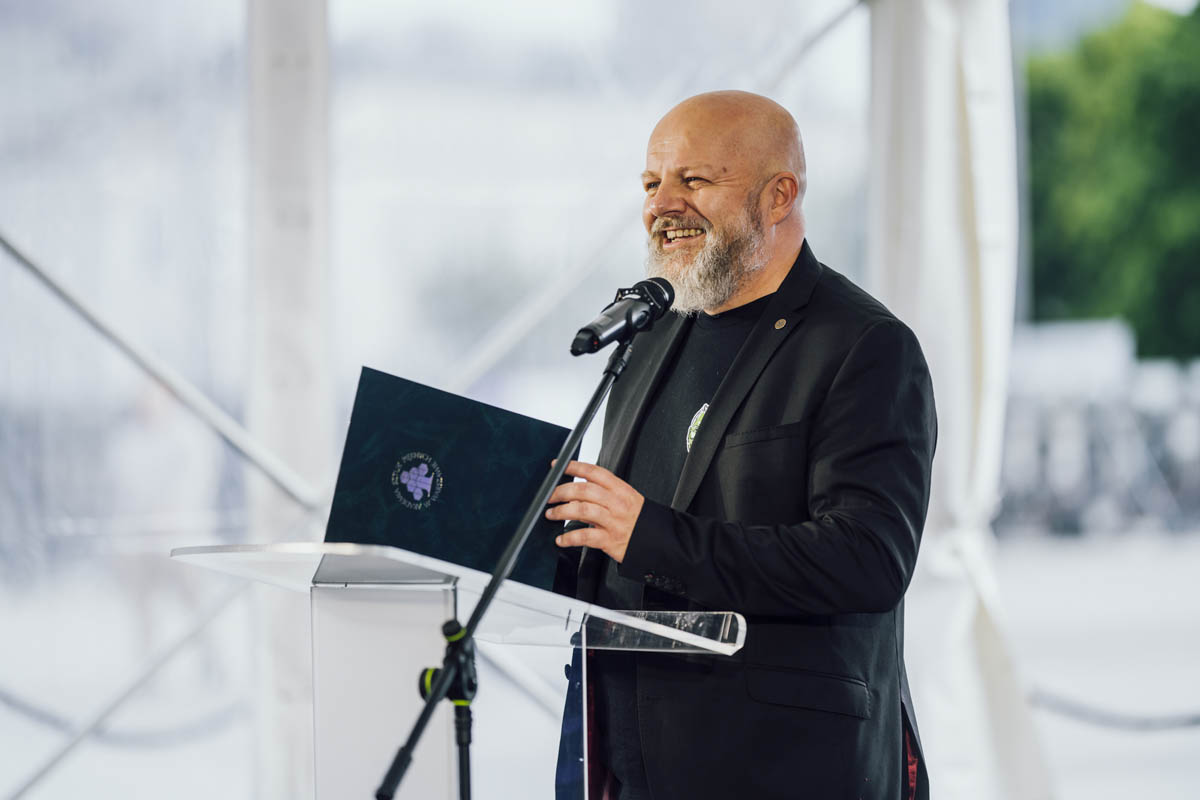
The Academy of Fine Arts in Warsaw is the largest and oldest institution of higher education for arts in Poland. It educates an average of 1600 students annually at nine Faculties – Painting, Sculpture, Graphic Arts, Conservation and Restoration of Works of Art, Interior Design, Design, Media Art, Stage Design, and Artistic Research and Curatorial Studies – based in four historical locations in Warsaw. Professor Błażej Ostoja Lniski is the Rector of the University for the 2020-2024 term.
The Academy of Fine Arts in Warsaw is the heir of over 250 years of tradition of artistic education, which it passes on to the next generations of young artists. It cultivates the traditions and values of Polish art, placing particular emphasis on openness, freedom of artistic exploration and scientific research, and respect for various creative attitudes. Studies at the Academy of Fine Arts in Warsaw provide an extraordinary opportunity to develop individual passions and shape an artistic path under the supervision of excellent academic staff – leading artists and researchers.
Activity
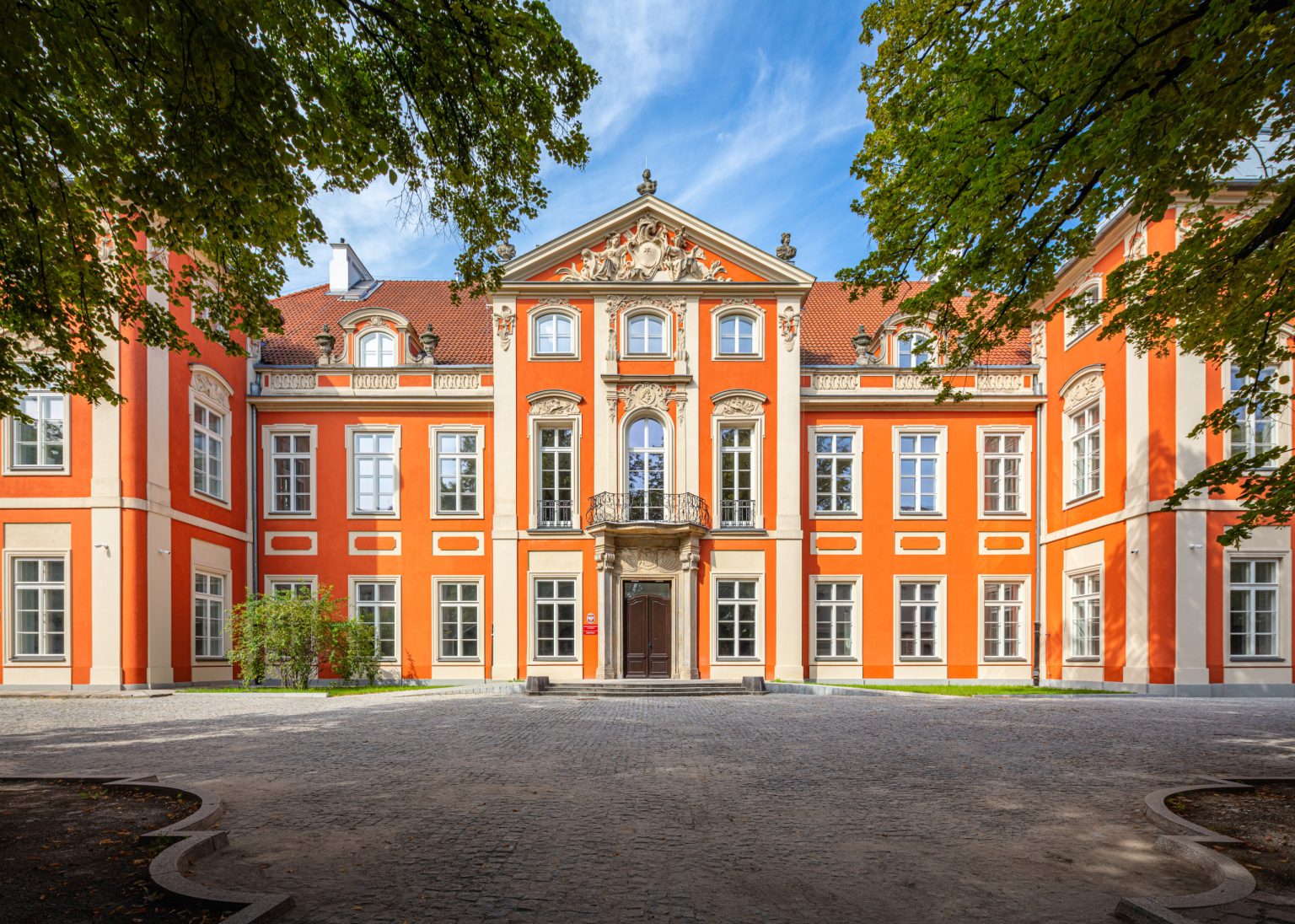
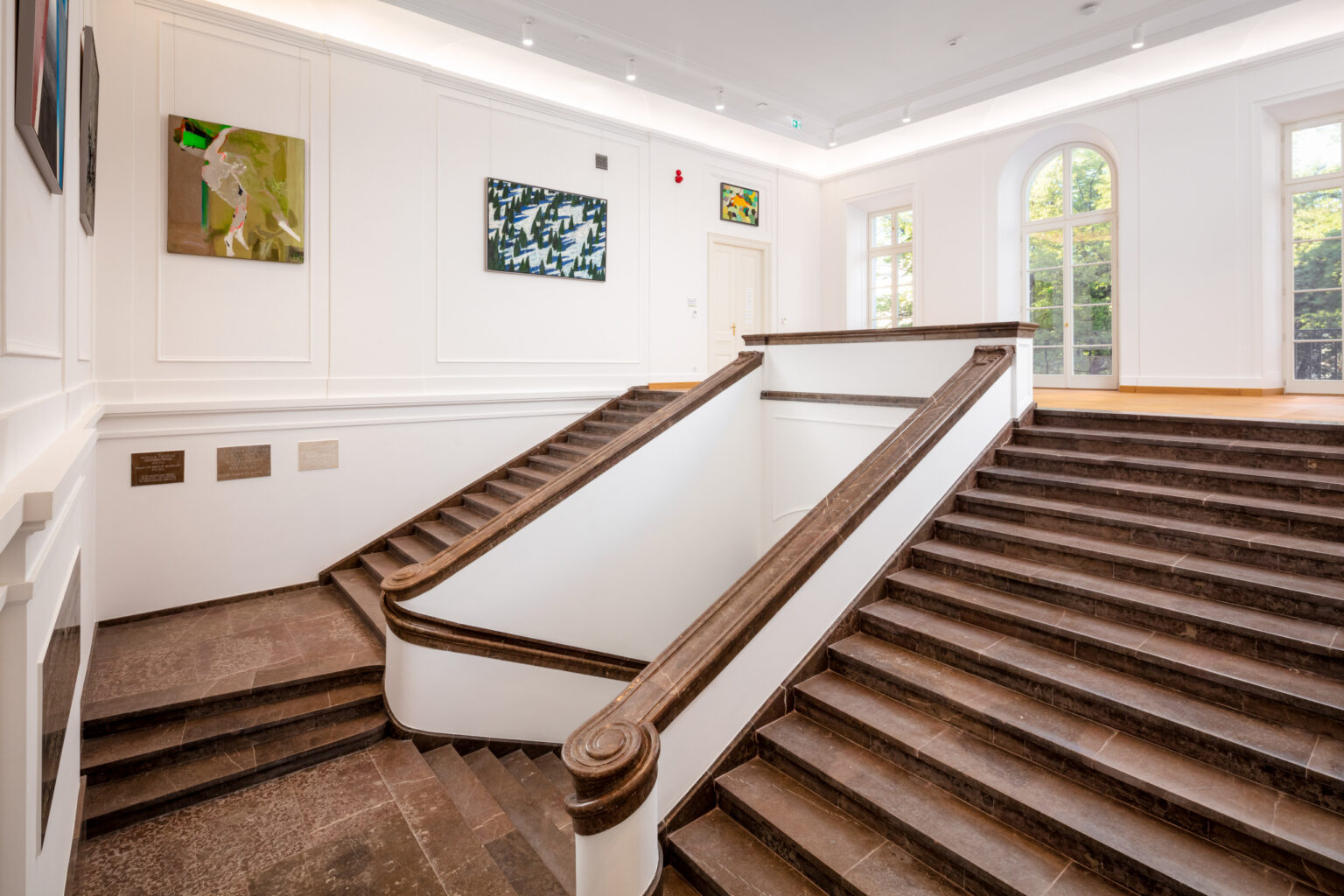
Czapski Palace, main seat of the Academy of Fine Arts in Warsaw, 5 Krakowskie Przedmieście St. Photo: Bartek Winnicki
Otwórz okno dialogowe, slajd numer: 1
Rector of the Academy of Fine Arts in Warsaw - Błażej Ostoja Lniski. Photo: Stanisław Loba
Otwórz okno dialogowe, slajd numer: 2
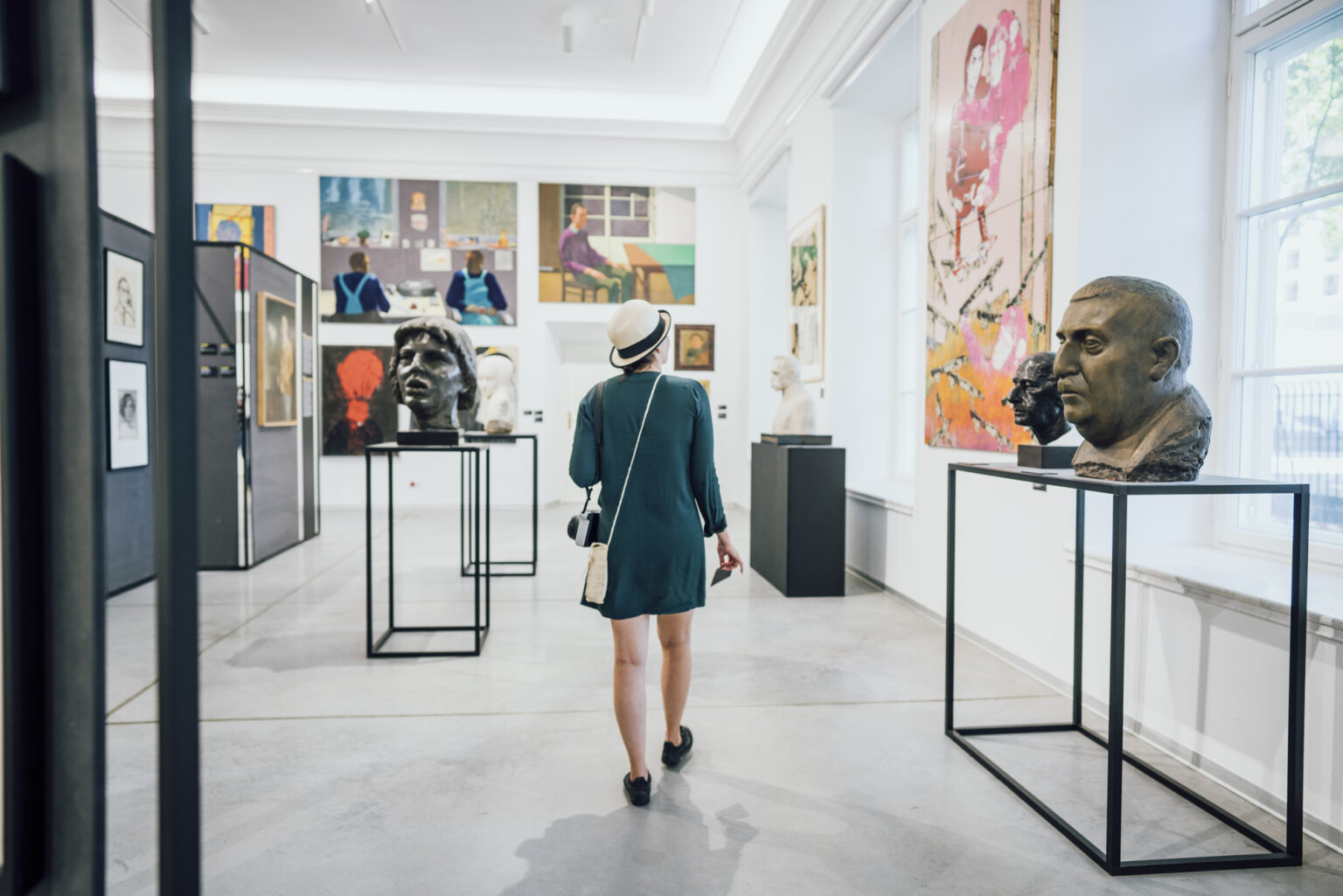
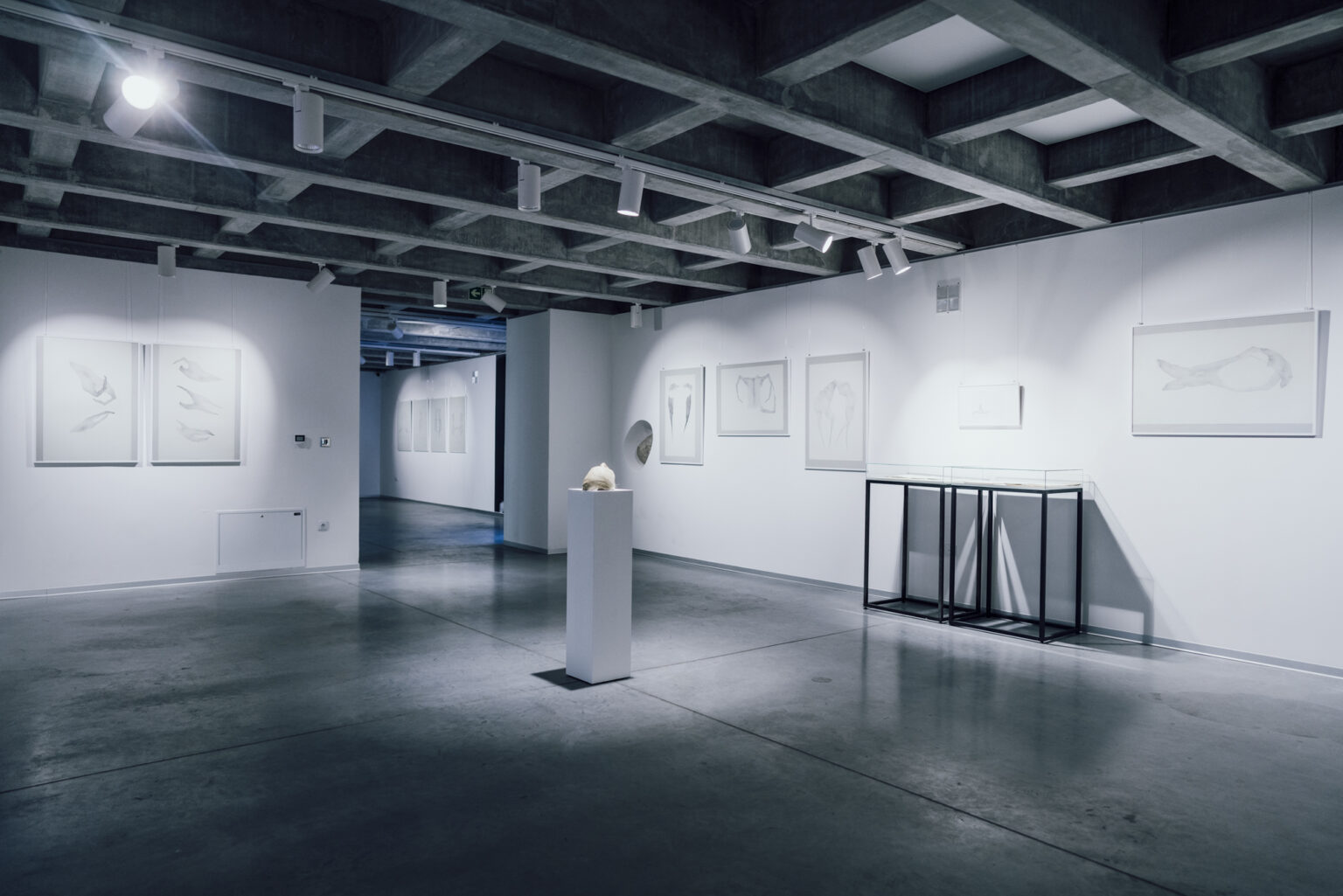
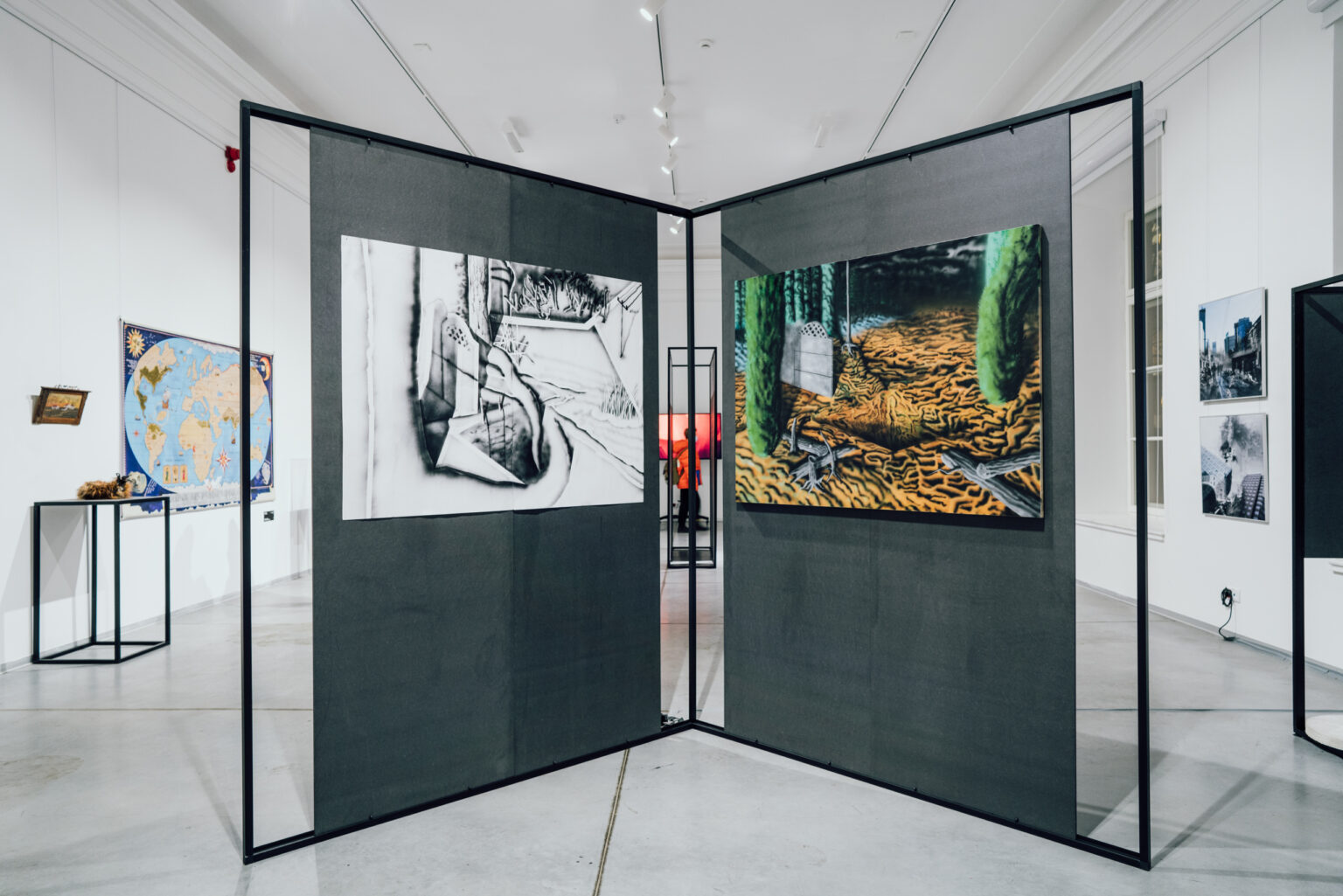
View of the exhibition 'Exercises from Art. Collection of the Museum of the Academy of Fine Arts in Warsaw", Czapski Palace, 2022. Photo: Stanisław Loba
Otwórz okno dialogowe, slajd numer: 3
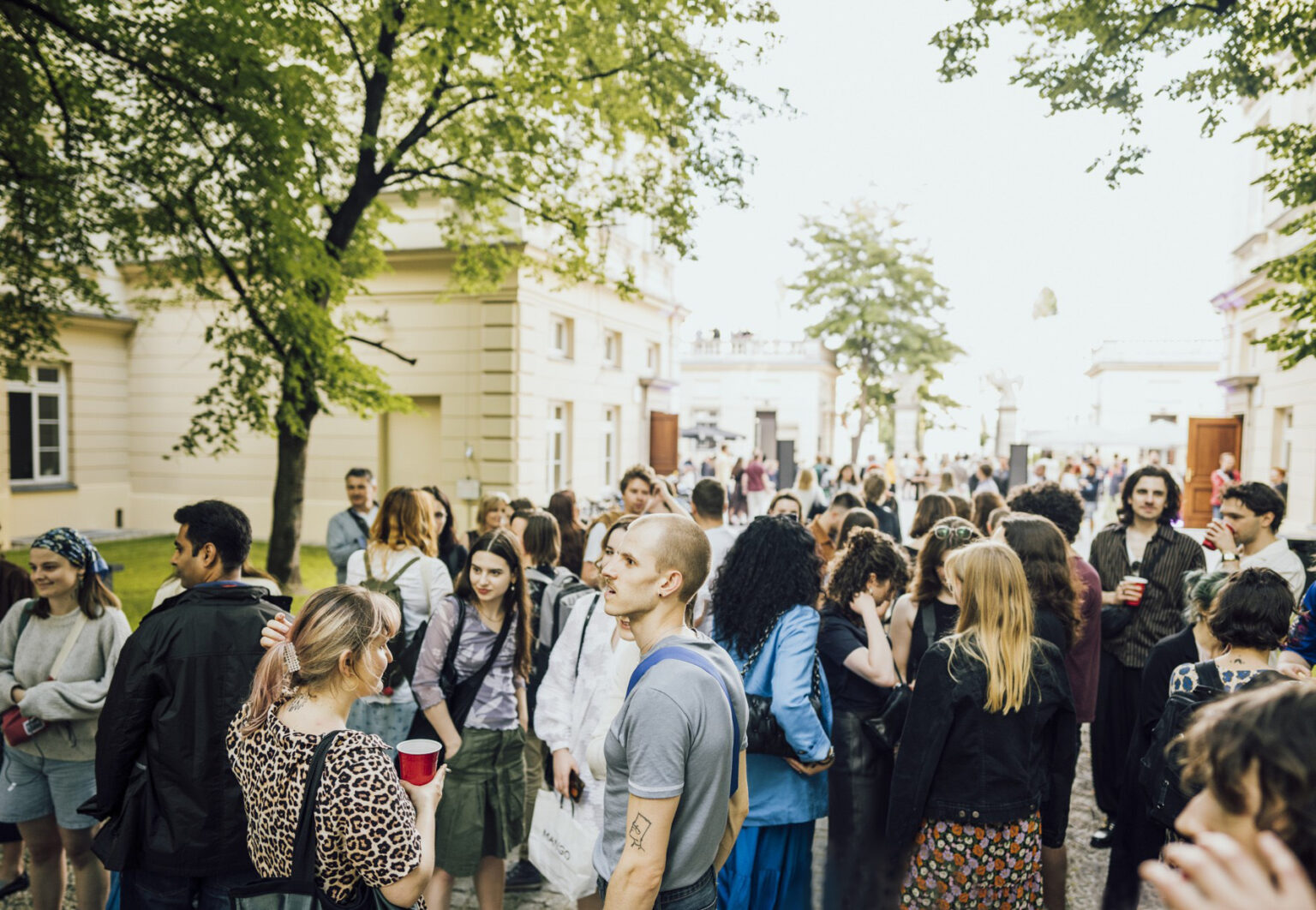
Akademia Otwarta. End-of-year exhibition 2022, Krakowskie Przedmieście 5. Photo: Stanisław Loba
Otwórz okno dialogowe, slajd numer: 4
The Academy of Fine Arts in Warsaw continues the traditions of two artistic education centers – the so-called Royal Painting Studio of Marcello Baciarelli from the second half of the 18th century and the Warsaw School of Fine Arts established in 1904 on the social initiative. It has been operating as a state institution since 1923 and it received the status of the academy in 1932.
The Academy conducts scientific, research, and artistic activities in the field of fine arts and conservation of works of art based on the Act of July 20, 2018 – Law on Higher Education and Science and the Statute of the Academy of Fine Arts in Warsaw of May 28, 2019, with subsequent amendments. As a result of the evaluation of the quality of scientific activities for the years 2017–2021, by the decision of the Minister of Education and Science of February 14, 2023, the Warsaw Academy of Fine Arts received category A.
The Academy has the right to award doctoral and habilitated doctor degrees, and since 2019 it has been running a Doctoral School. Every year, as part of the European Union programs: Tempus, Lifelong Learning Program, and Erasmus+, it hosts students from abroad. The University conducts extensive international cooperation with 130 universities around the world, including the Lviv National Academy of Arts, the Bezalel Academy of Fine Arts and Design in Jerusalem, and the Korean National University of Arts located in Seoul. It belongs to ELIA (European League of Institutes of the Arts) – one of the first organisations in Europe to bring together universities and institutions operating in the field of artistic education, to the Cumulus Association (International Association of Universities and Colleges of Art, Design, and Media) and European conservation schools ENCoRE (European Network for Conservation-Restoration Education).
Identity
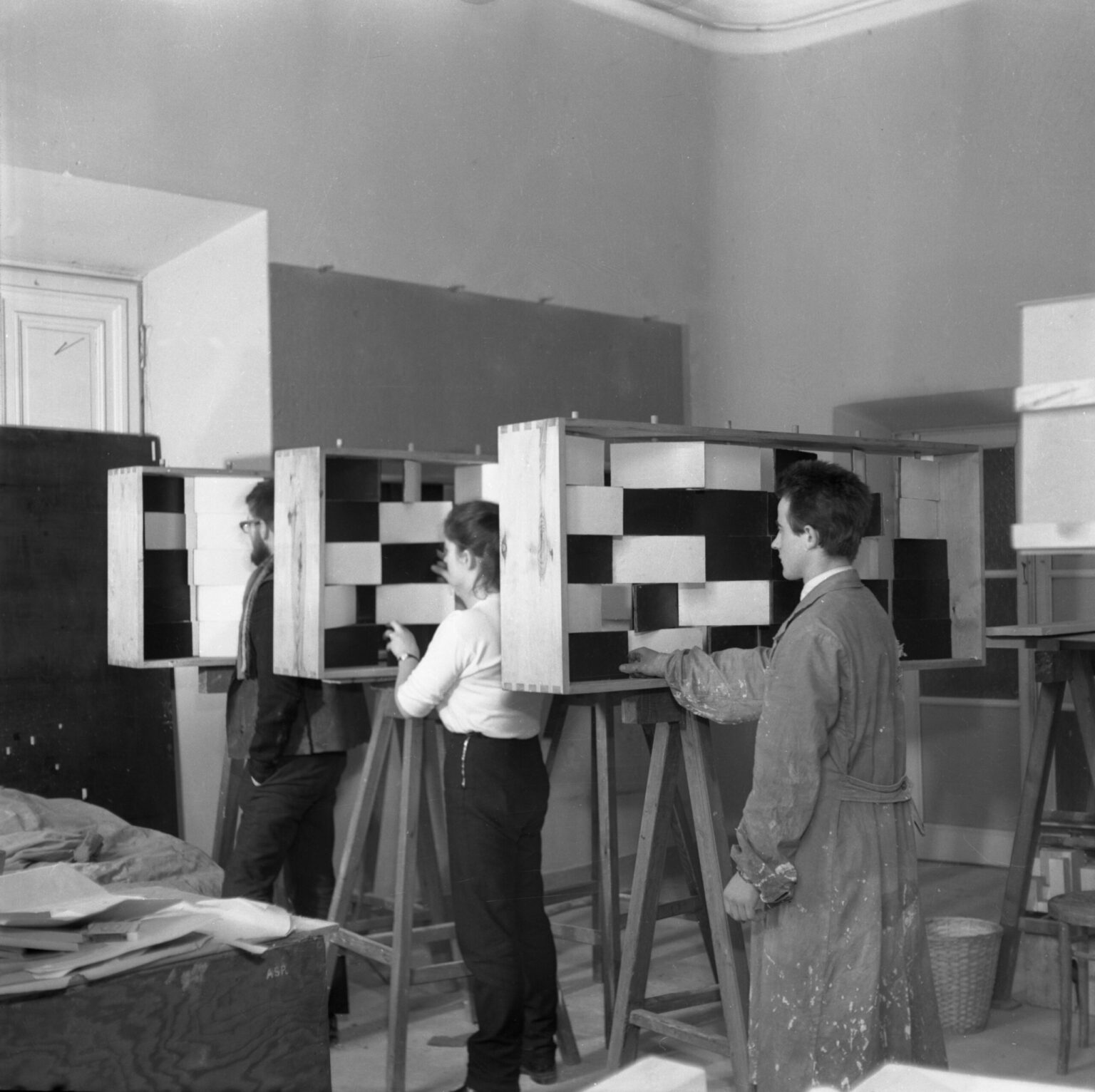
Students in Oskar Hansen's studio. Teaching apparatus for the "Rhythm" exercise, Academy of Fine Arts in Warsaw, late 1950s. Archive of Oskar Hansen's studio, Museum of the Academy of Fine Arts in Warsaw
Otwórz okno dialogowe, slajd numer: 1
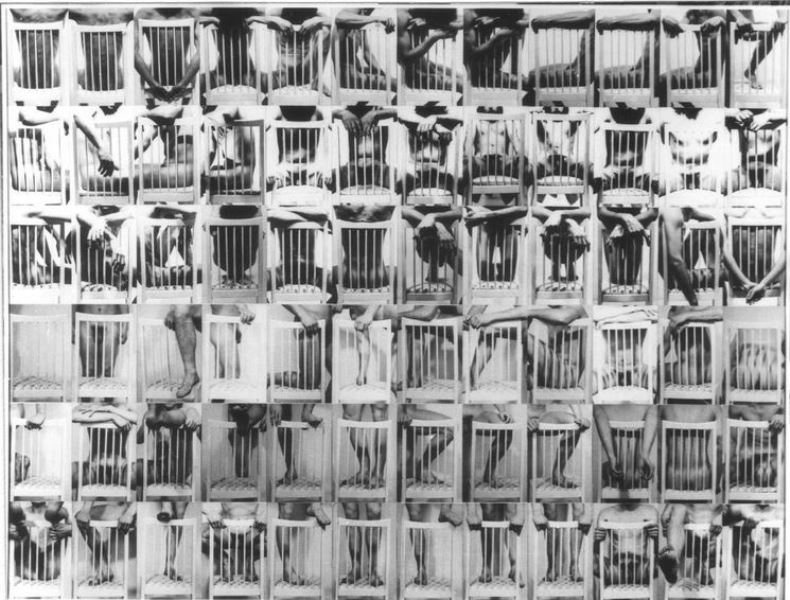
Grzegorz Kowalski, 'Chair', 1975, Collection of the Museum of the Academy of Fine Arts in Warsaw. Photo: Wojciech Holnicki-Szulc.
Otwórz okno dialogowe, slajd numer: 2
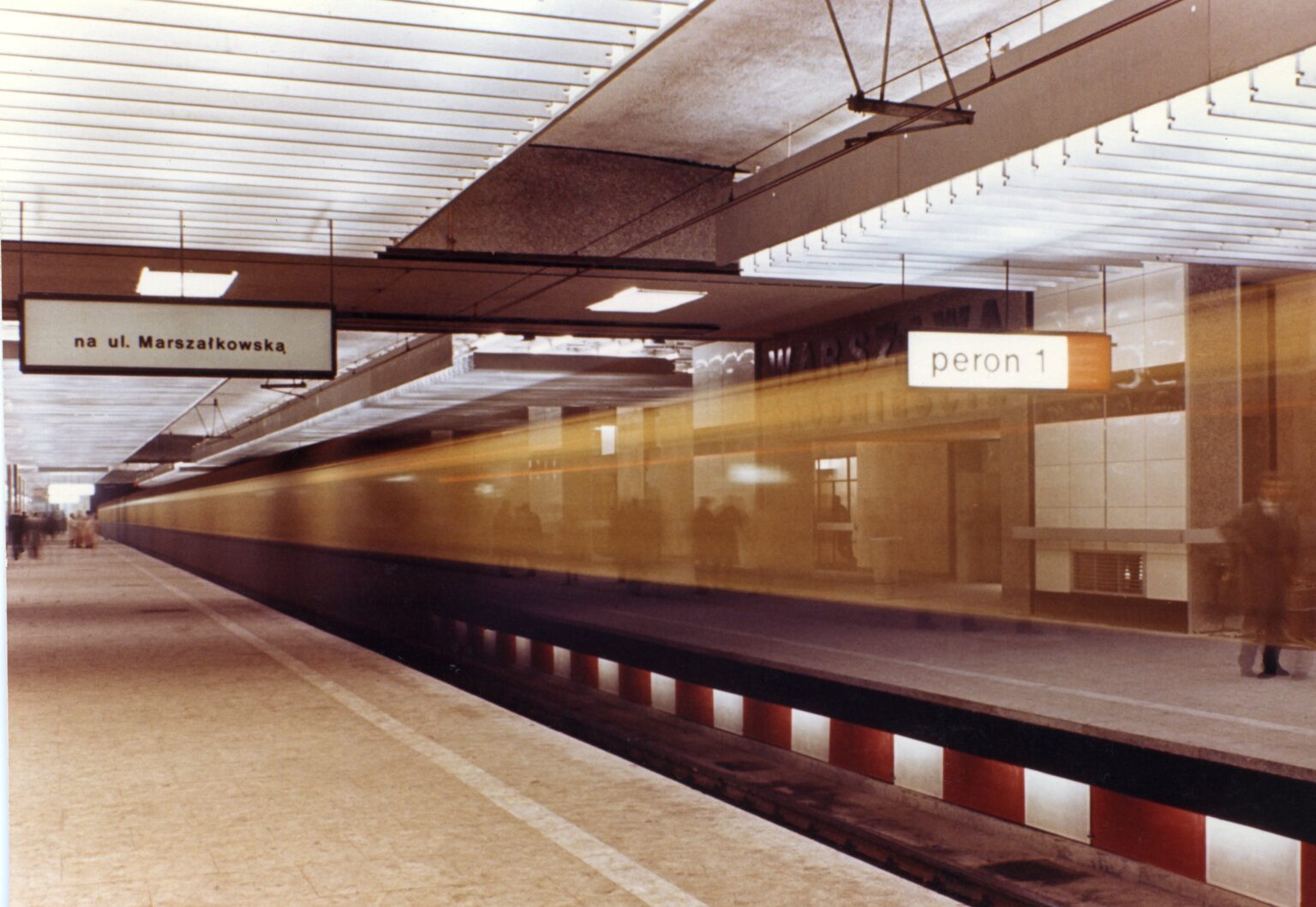
Interiors of the 'Warszawa-Śródmieście' railway station, 1963, design under the direction of Jerzy Sołtan. Archive of the Artistic and Research Establishments. Photo: Jerzy Sołtan
Otwórz okno dialogowe, slajd numer: 3
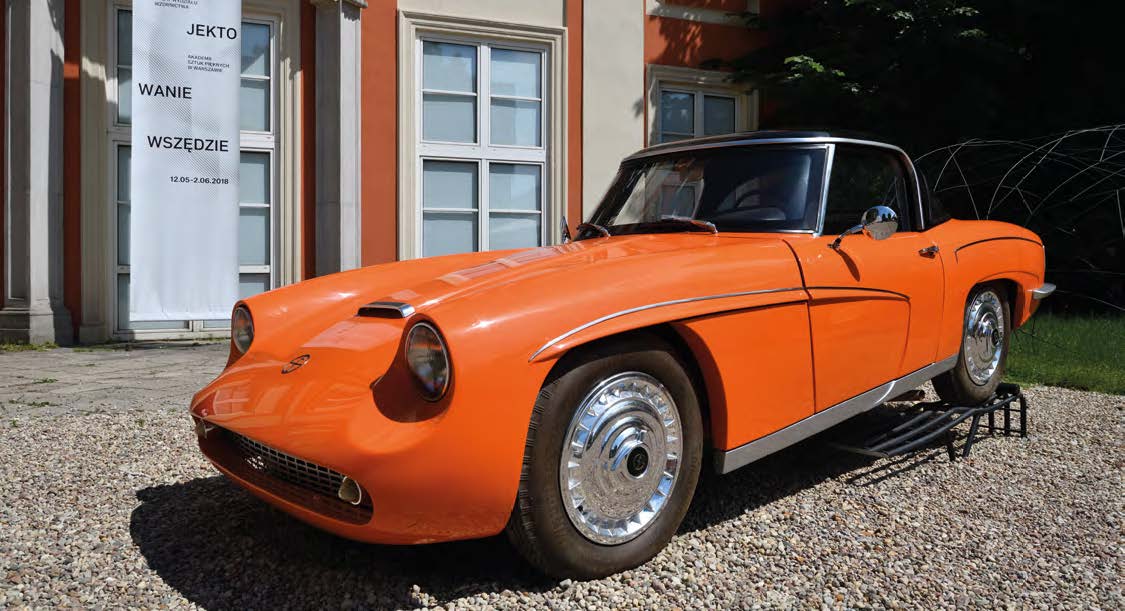
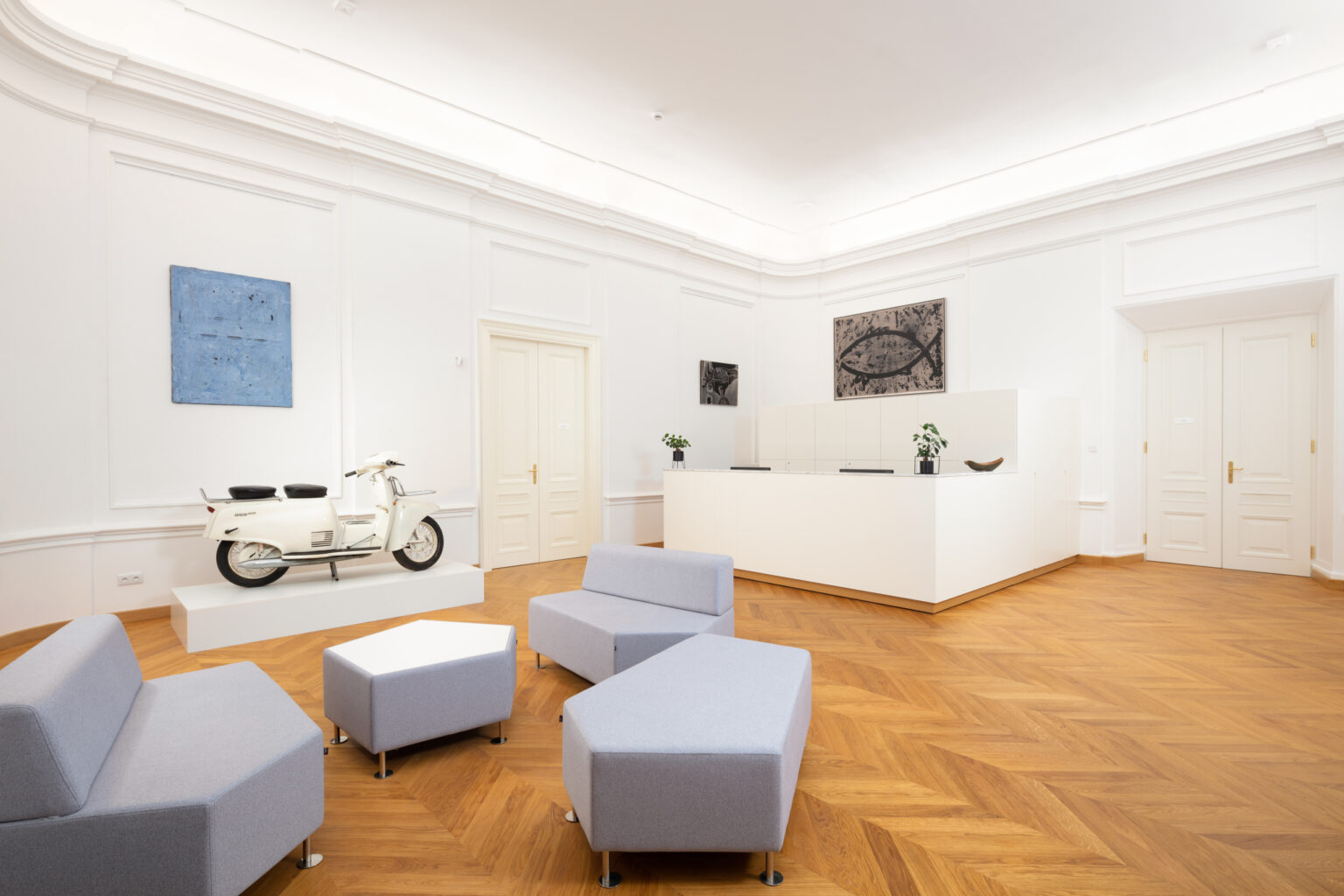
Syrena 102 in front of the Academy's Salon Gallery during the Design Everywhere anniversary exhibition. Photo by Adam Gut
Otwórz okno dialogowe, slajd numer: 4
What distinguishes the Academy of Fine Arts in Warsaw is the presence of two strong creative tendencies in its area – purely artistic pursuits as well as design-related and utilitarian ones. The Academy has always noticed the need for the coexistence of both fields, visible in the achievements of the most eminent professors and students just starting to search for their artistic path. A good reflection of this was the concept of the exhibition organised in Zachęta titled: „Powinność i Bunt. Akademia Sztuk Pięknych w Warszawie 1944-2004” („Duty and Rebellion. Academy of Fine Arts in Warsaw 1944–2004”), where the opposition of artistic attitudes was aptly defined – the need for the artist to fulfill utilitarian duties and expectations in the area of art addressed to contemporary society, collied with the postulate of purely artistic exploration, the attitude of rebellion, the idea of freedom and the need to break limitations and prohibitions.
The contemporary Academy has inherited the most innovative trends, disputes, discussions, and a spectrum of creative attitudes. Its identity has been shaped by the output of Bractwo św. Łukasza (the Brotherhood of St. Luke), Ryt or Ład („Ład” Artists’ Cooperative), as well as the surprising visit in 1927 of Kazimir Malevich – the creator of the avant-garde and one of the greatest artists of the 20th century. Rebellion and opposition characterized the activities of artists from Arsenał (Arsenal), Gruppa, or in recent decades, Kowalnia.
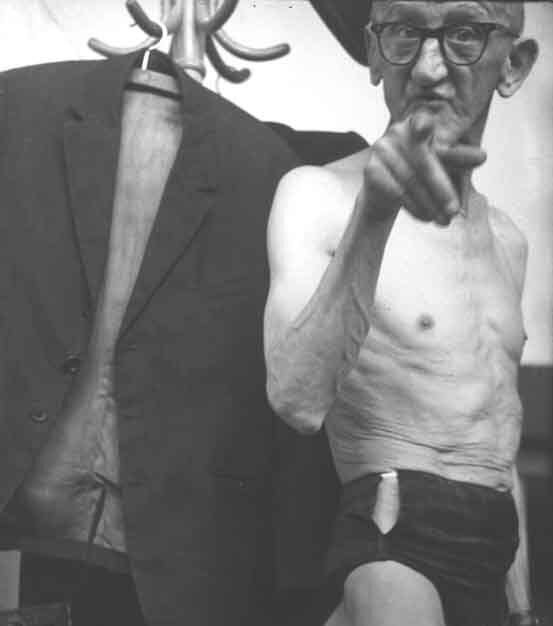
Zofia Kulik, "Photographic Study of the Nude", 1969 (student work), Archive of the Studio of Jerzy Jarnuszkiewicz, Museum of the Academy of Fine Arts in Warsaw
Otwórz okno dialogowe, slajd numer: 2
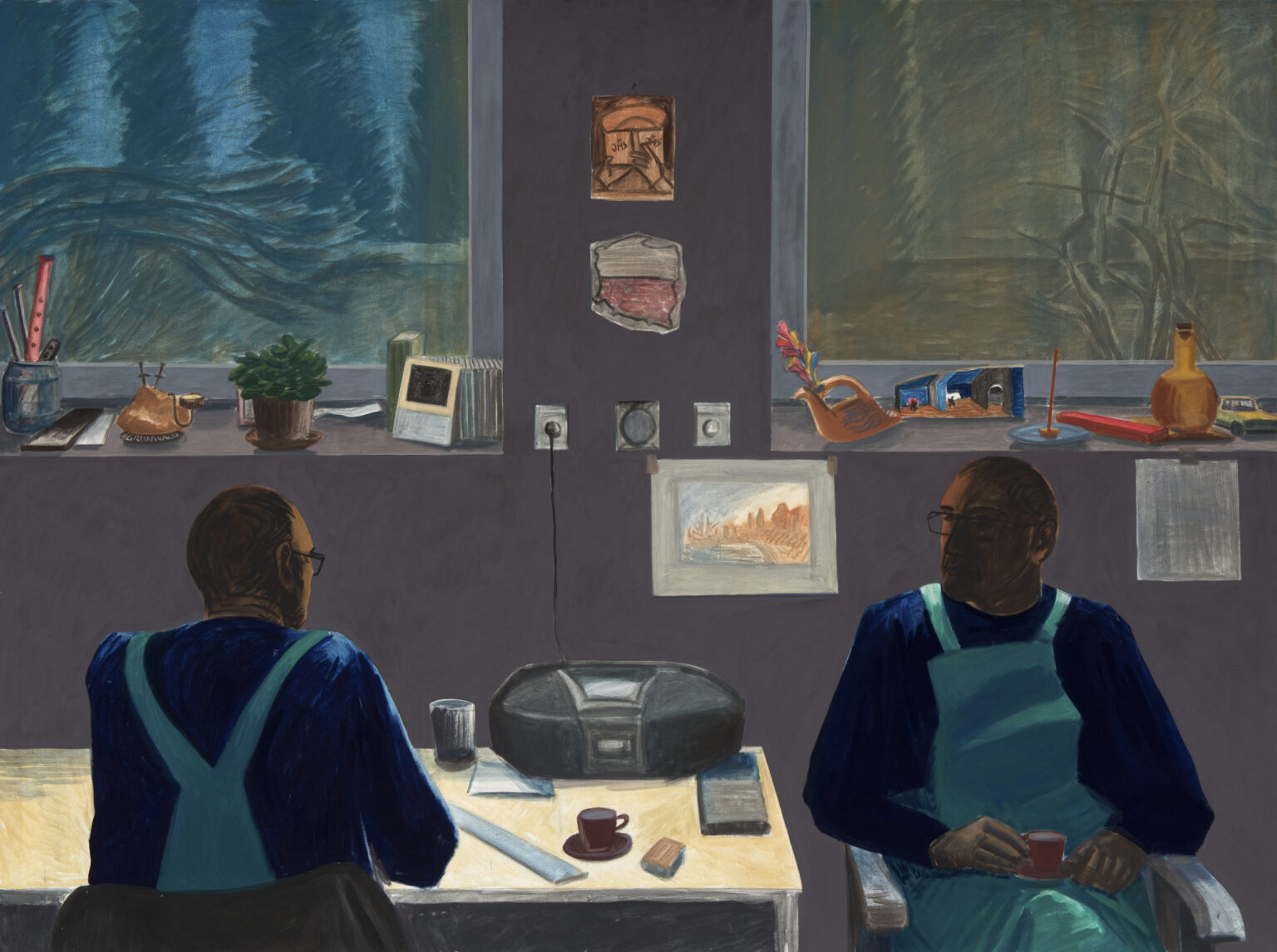
Jarosław Modzelewski, 'Stereo. Left parapet', right parapet, Collection of Krzysztof Musiał. On deposit at the Museum of the Academy of Fine Arts in Warsaw since 2016. photo Wojciech Holnicki-Szulc
Otwórz okno dialogowe, slajd numer: 3
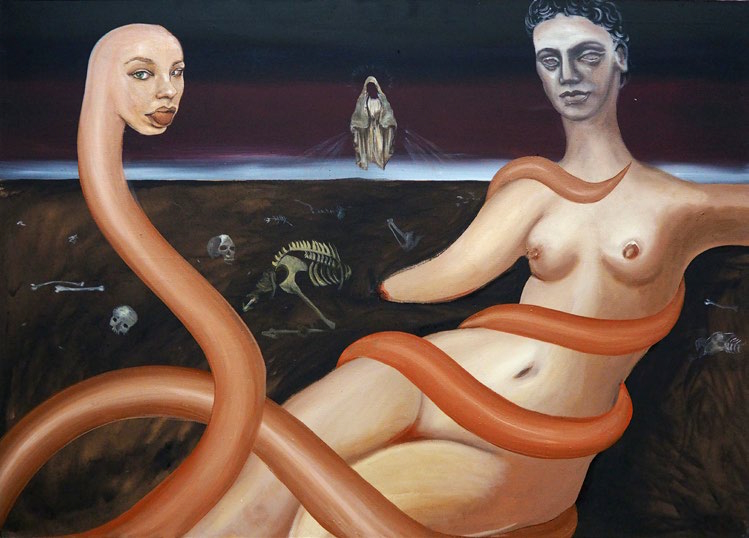
Agata Słowak, 'Julia as a bloodthirsty snake', 2019
Otwórz okno dialogowe, slajd numer: 4
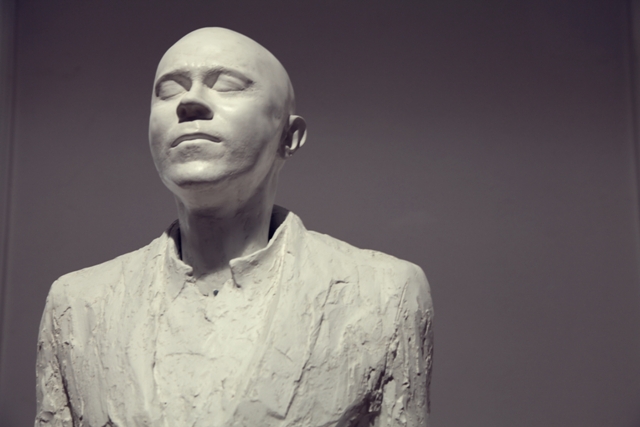
The Academy is composed of outstanding artists who have gained international recognition, such as Mirosław Bałka, Jarosław Modzelewski, and Ewa Braun. Academic teachers and graduates are the winners of prestigious awards such as Paszporty POLITYKI – one of the most important distinctions in the field of culture in Poland. The winners in the visual arts category included numerous graduates and lecturers associated with the Warsaw Academy of Fine Arts: Mirosław Bałka, Wojciech Bąkowski, Tymek Borowski, Weronika Gęsicka, Aneta Grzeszykowska, Katarzyna Józefowicz, Katarzyna Kozyra, Zofia Kulik, Diana Lelonek, Jarosław Modzelewski, Karol Radziszewski, Jana Shostak, Agata Słowak, Mikołaj Sobczak, Leon Tarasewicz.
Designers associated with the Academy were among the winners of prestigious industry awards such as the Red Dot Design Award, iF Design Award, and Dobry Wzór. A particularly interesting and significant role in the field of architecture was played by Jerzy Sołtan, who worked at the Academy of Fine Arts in Warsaw and Harvard University (USA), an associate and colleague of the outstanding Swiss architect Le Corbusier.
The Academy publishes numerous research monographs, albums, and exhibition catalogs. Many of them were awarded in subsequent editions of the „Najpiękniejsze Książki Roku” (The Most Beautiful Books of the Year) competition of Polskie Towarzystwo Wydawców Książek (Polish Association of Book Publishers).
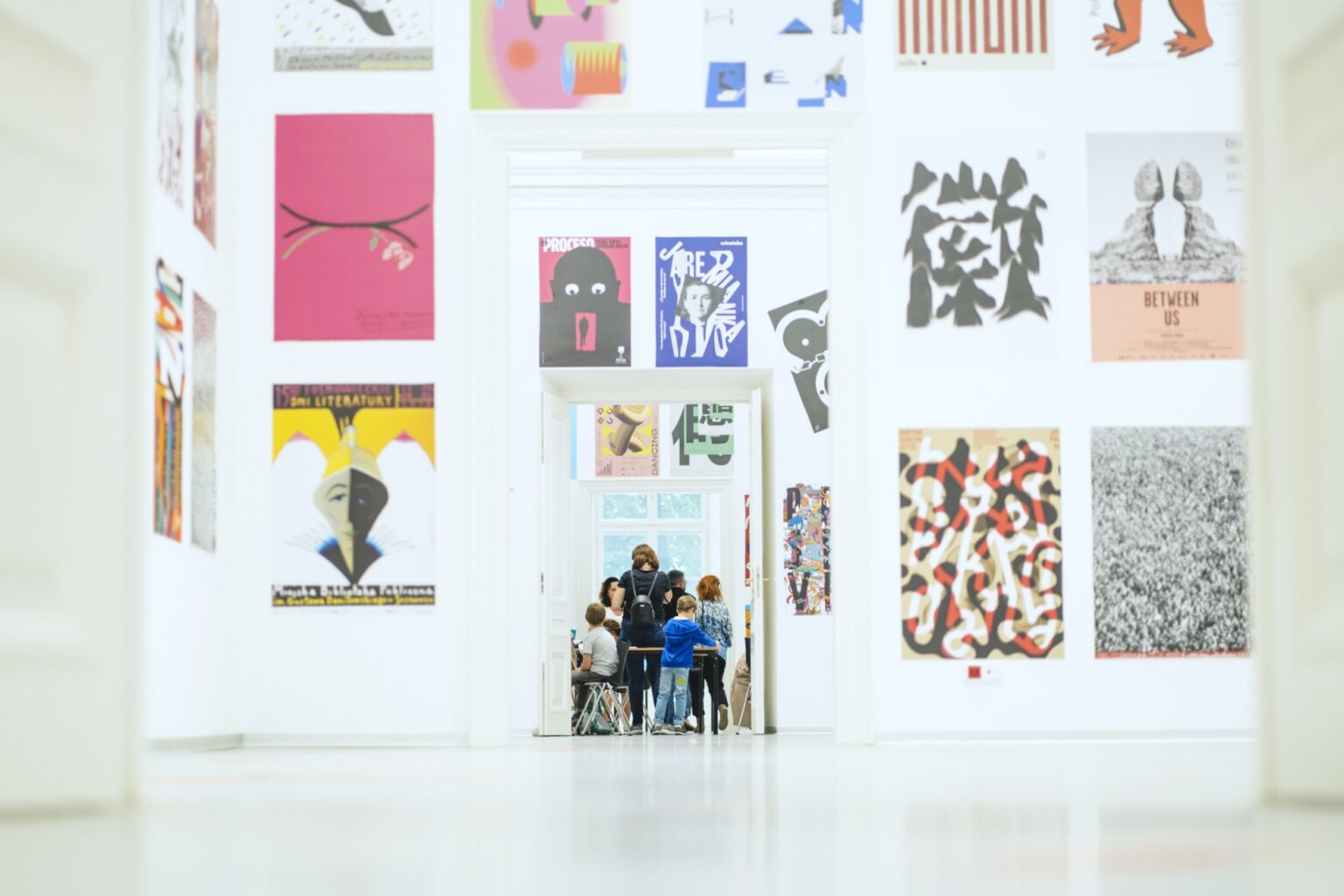
Exhibition of the 27th International Poster Biennale in Warsaw. Photo: Stanisław Loba
Otwórz okno dialogowe, slajd numer: 3
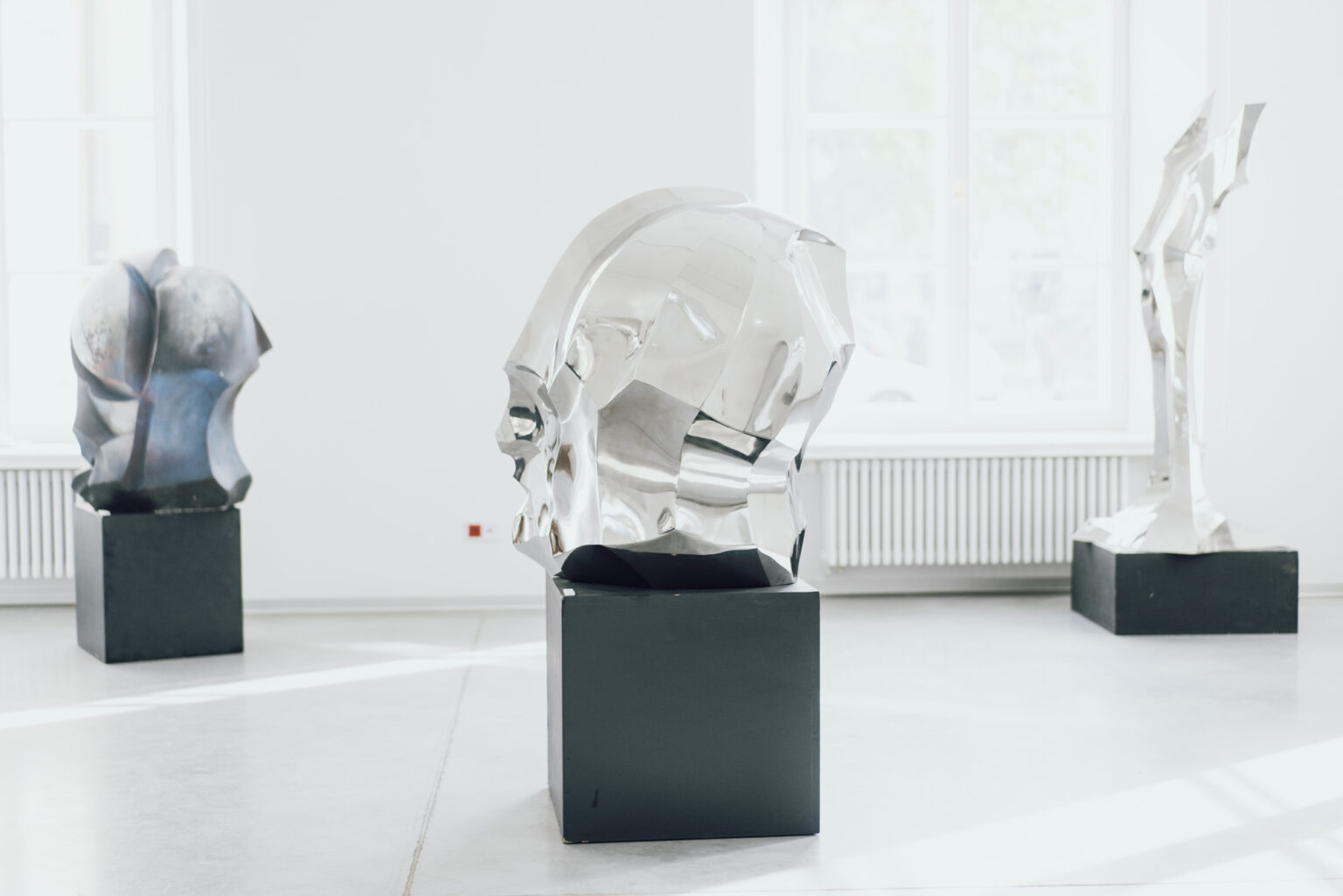
Opening of an exhibition of sculptures by Professor Adam Myjak from 1973-2020, Czapski Palace. Photo: Academy of Fine Arts in Warsaw.
Otwórz okno dialogowe, slajd numer: 4
'Prof. Zofia Glazer Monochrome. Exhibition at the Czapski Palace. Photo: Academy of Fine Arts in Warsaw.
Otwórz okno dialogowe, slajd numer: 5
The exhibition 'UpComing. Selected Diplomas of the Academy of Fine Arts in Warsaw 2021' at the Czapski Palace. Photo: Academy of Fine Arts in Warsaw
Otwórz okno dialogowe, slajd numer: 6
Since 1947, the seat of the Academy of Fine Arts in Warsaw has been the 18th-century Czapski Palace, located on the Royal Route (Krakowskie Przedmieście 5), which was revitalized in 2021 thanks to funding from the EU Infrastructure and Environment Program 2014–2020. Today, it functions as a modern centre for cultural events. It houses the Salon Academy Gallery, Gallery -1, Museum of the Academy of Fine Arts in Warsaw, and the Main Library. Since 2018, the prestigious International Poster Biennale in Warsaw and the annual exhibition „UpComing. Selected Degree Pieces of the Academy of Fine Arts in Warsaw” have been organised in the Czapski Palace.
In 2018, the oldest and one of the most significant and recognizable artistic events dedicated to posters returned to the Academy of Fine Arts in Warsaw, where the idea of confronting global achievements in the field of poster design was born. The Academy of Fine Arts in Warsaw played an important role in the development of poster art. It is not a coincidence that most of the representatives of the so-called Polish School of Posters come from its environment. The originator of the world poster review in the form of a Bienniale was Eryk Lipiński, associated with the Academy. The promoter and long-time organiser of the event was Prof. Józef Mroszczak. Professor Henryk Tomaszewski is also strongly associated with the event, as well as Prof. Lech Majewski who has been involved in the organisation of the Biennale since 1990, and currently is the President of the IPB.
History
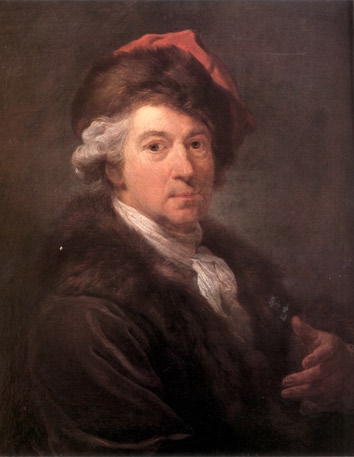
Marcello Bacciarelli, 'Portrait of himself in a confederate coat', ca. 1788, National Museum in Warsaw
Otwórz okno dialogowe, slajd numer: 1
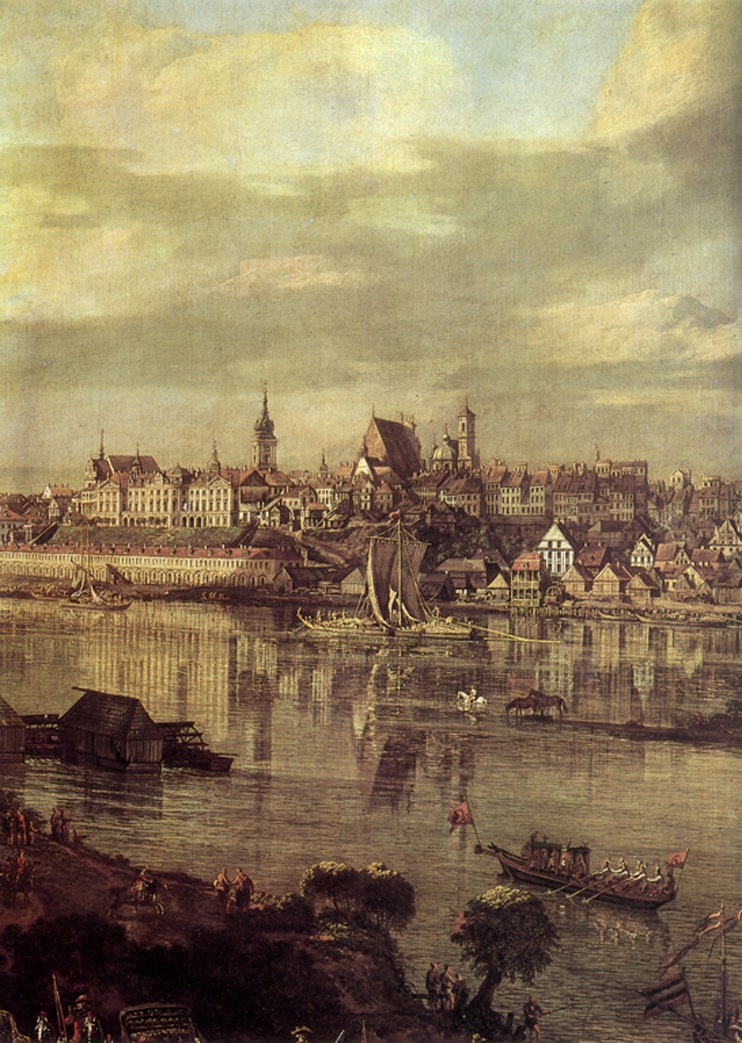
Bernardo Bellotto (Canaletto), "View of Warsaw from the Praga side" (fragment), 1770, National Museum in Warsaw
Otwórz okno dialogowe, slajd numer: 2
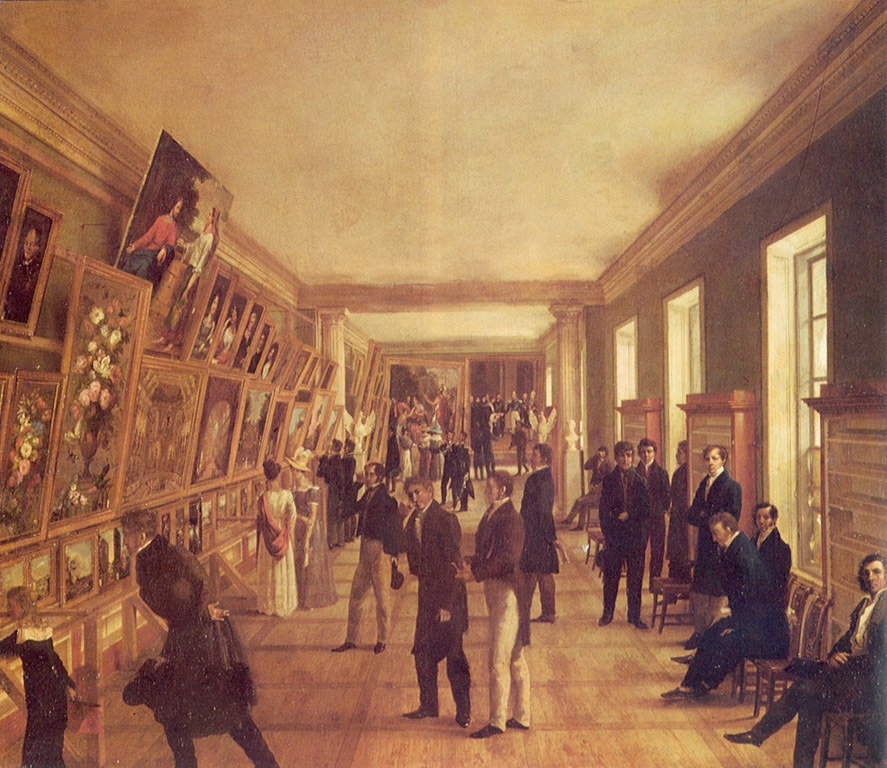
Wincenty Kasprzycki, "Exhibition of Fine Arts in Warsaw in 1828", 1828, National Museum in Warsaw
Otwórz okno dialogowe, slajd numer: 3
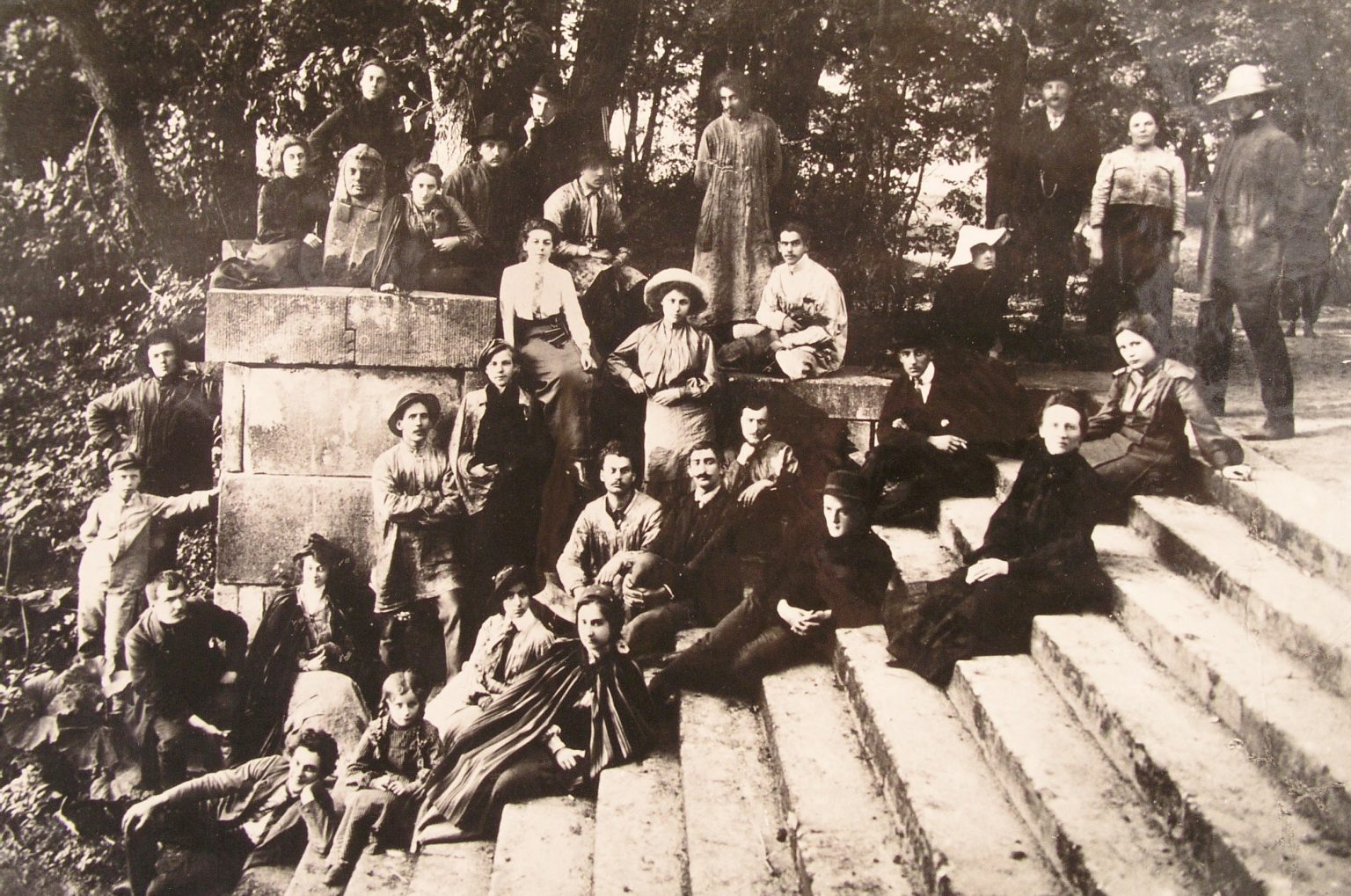
Professor Konrad Krzyżanowski's plein-air workshop at Arkadia near Łowicz in 1905.
Otwórz okno dialogowe, slajd numer: 4
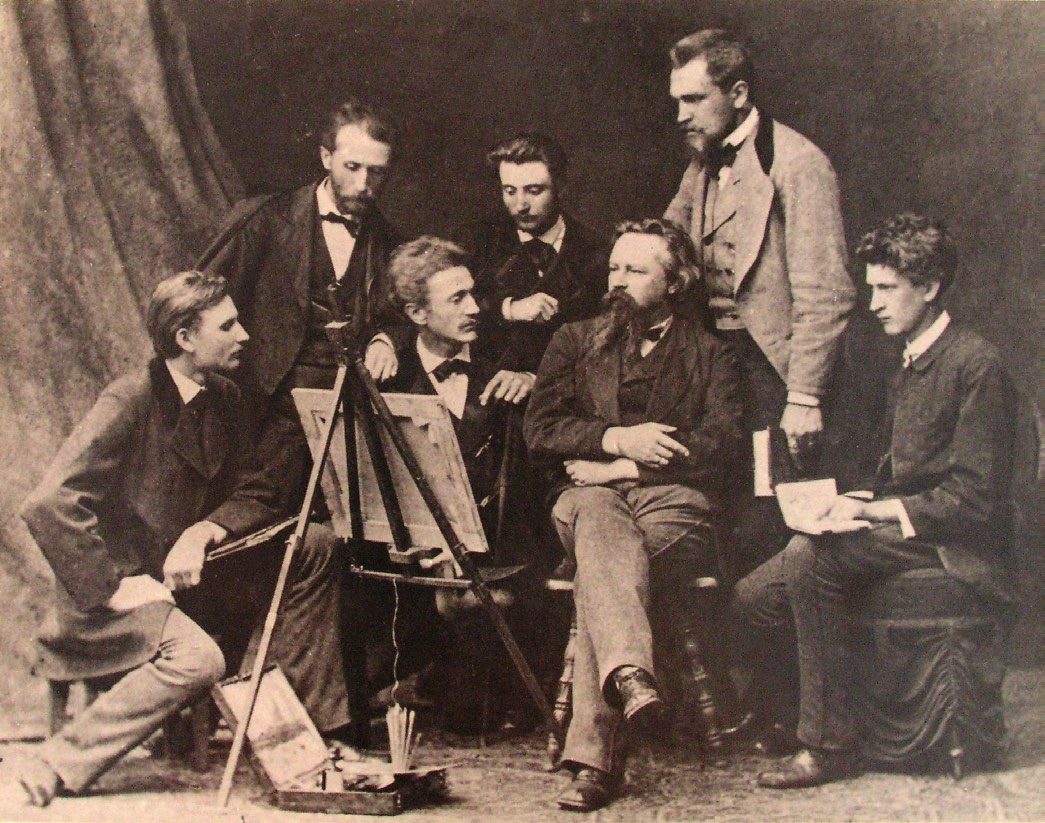
Wojciech Gerson with his students, ca. 1880-1895
Otwórz okno dialogowe, slajd numer: 5
Logo of the Warsaw School of Fine Arts 1904-1920
Otwórz okno dialogowe, slajd numer: 6
In 1766, at the request of King Stanisław August Poniatowski, the Italian painter Marcello Bacciarelli, working at the royal court, prepared the general concept of the Academy of Fine Arts in Warsaw and the content of the royal edict establishing it. Although the Academy was not formally established, it has existed in designs and concepts, royal correspondence, bills and cost estimates, descriptions, and even architectural drawings. The artistic base of the designed Academy included: the Sculpture Workshop, Museum, Graphic Arts Workshop, and the Royal Painting Studio – a painting school, traditionally called the Academy, was located in the Royal Castle, and Bacciarelli was titled its director.
As a result of the Painting Studio’s activities, the goal that every institutionalized school strives for was achieved – it managed to bring up students who became valued national artists: Michał Dollinger, Jakub Kubicki, Mateusz Tokarski, Ferdynand Pinck, Józef Wall, and Anna Rajecka.
Warsaw artistic education
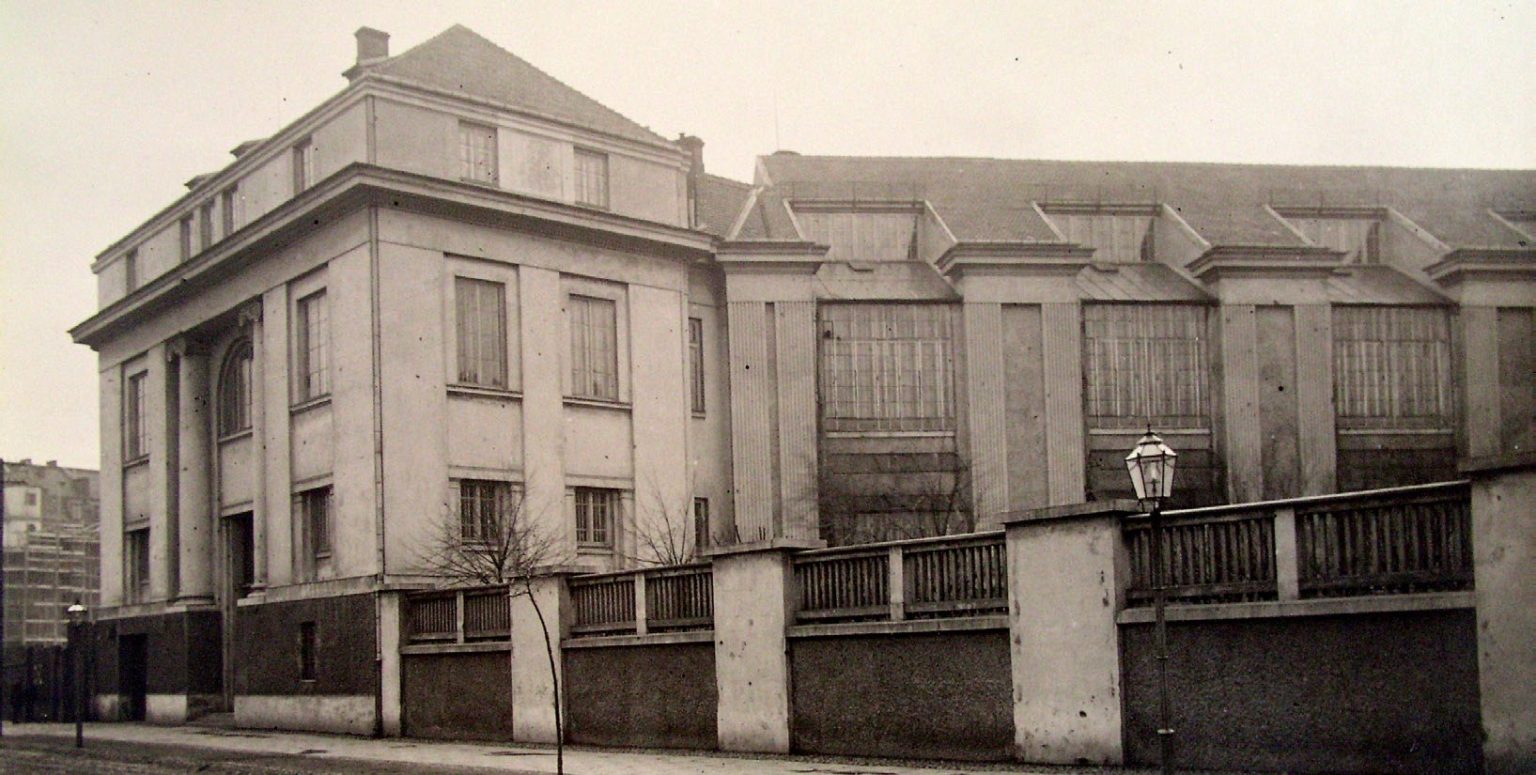
The building of the Academy of Fine Arts in Warsaw on Wybrzeze Kosciuszkowskie in the interwar period
Otwórz okno dialogowe, slajd numer: 1
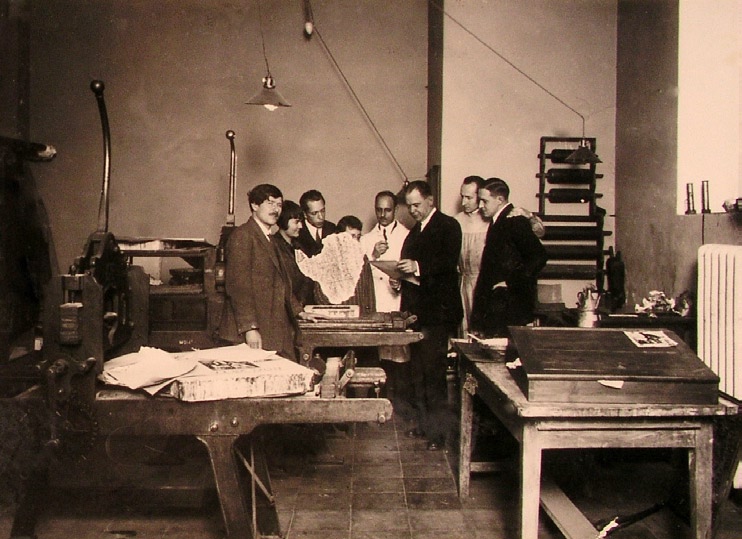
Printmaking studio of Professor Władysław Skoczylas, circa 1930.
Otwórz okno dialogowe, slajd numer: 2
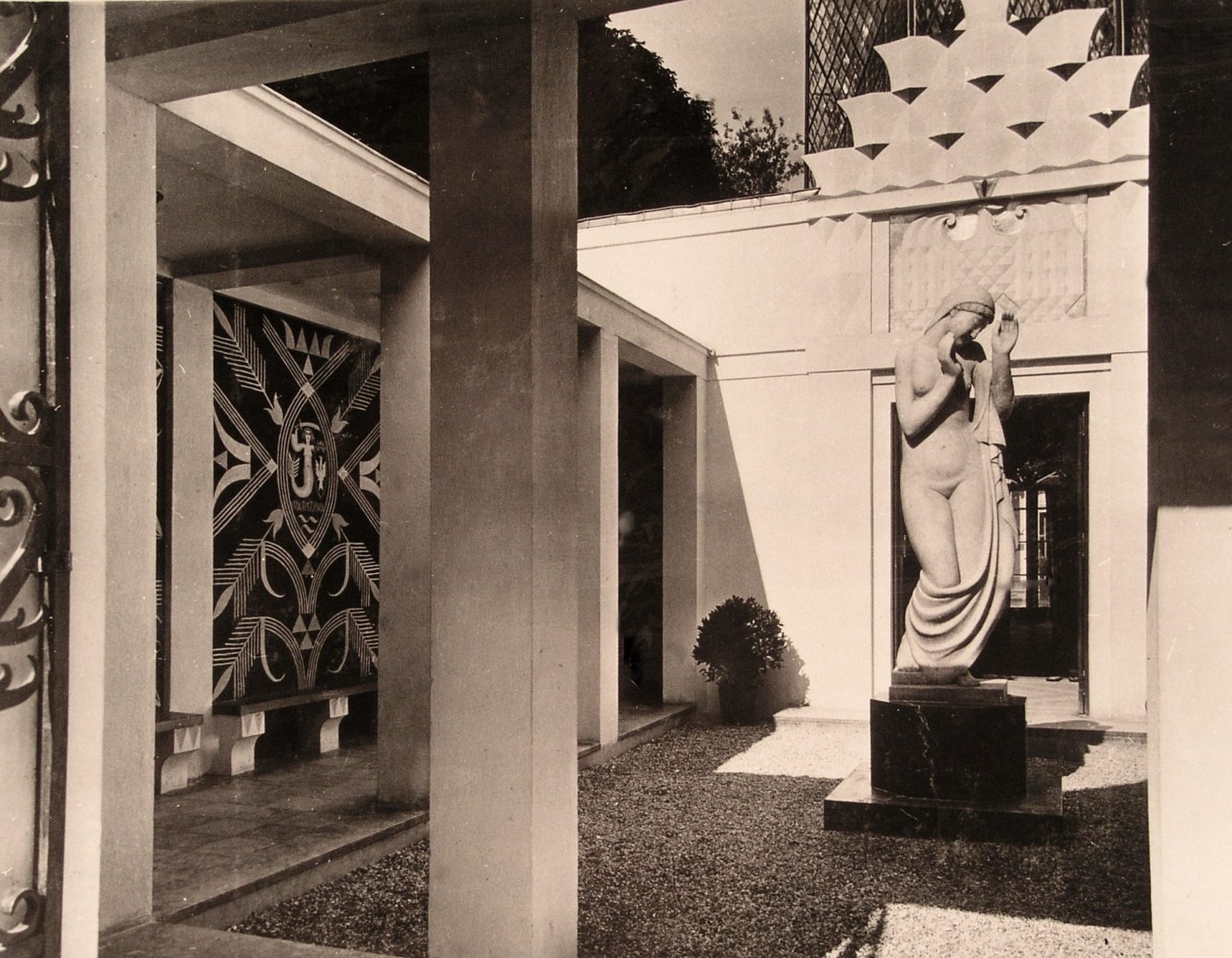
Interior designed by Wojciech Jastrzębowski, Paris 1925.
Otwórz okno dialogowe, slajd numer: 3
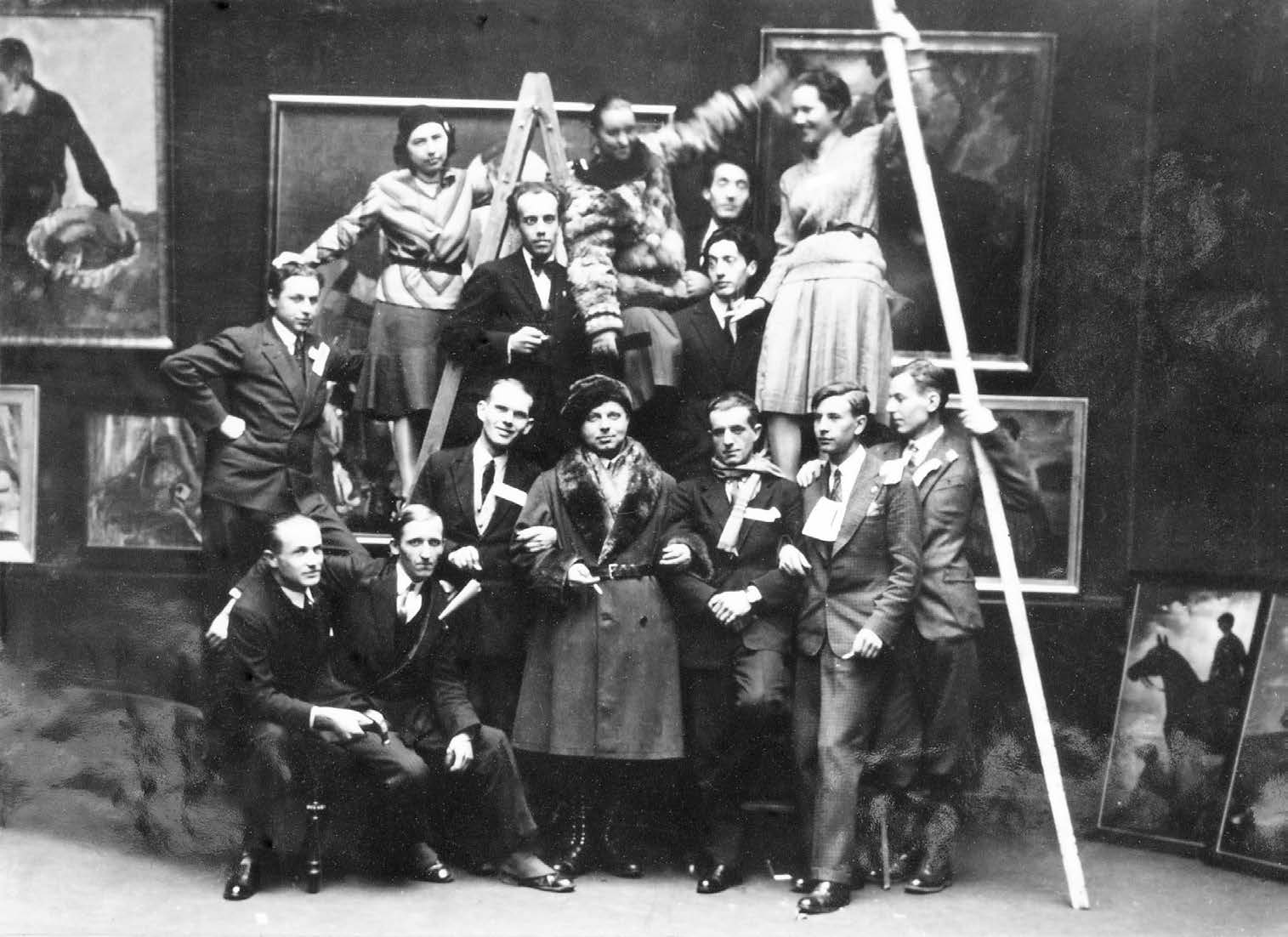
Professor Tadeusz Pruszkowski among his student-members of the Warsaw School group, 1930.
Otwórz okno dialogowe, slajd numer: 4
The history of Warsaw’s artistic education dates back to the time when King Stanisław August Poniatowski decided to establish the Academy and its infrastructure, especially the Painting Studio. The Academy of Fine Arts in Warsaw is the heir to these traditions.
By custom, the Academy’s history includes all forms of artistic education in Warsaw throughout Poland’s loss of independence and the activities which were banned or restricted by the tsarist authorities. It includes the Department of Arts – whose honorary dean was Bacciarelli – at the University of Warsaw at the beginning of the 19th century (disbanded after the fall of the November Uprising); the School of Fine Arts, existing since 1844 at the Real Gymnasium run by Aleksander Kokular and Jan Feliks Piwarski as well as the Drawing Class, known as the Gerson School, established after the January Uprising, the Warsaw School of Fine Arts formed in 1904. In 1923, the university was nationalized and changed its name to the School of Fine Arts. It was named the Academy of Fine Arts in Warsaw in 1932, thus referring to the royal idea of establishing an Academy of Fine Arts in the second half of the 18th century.