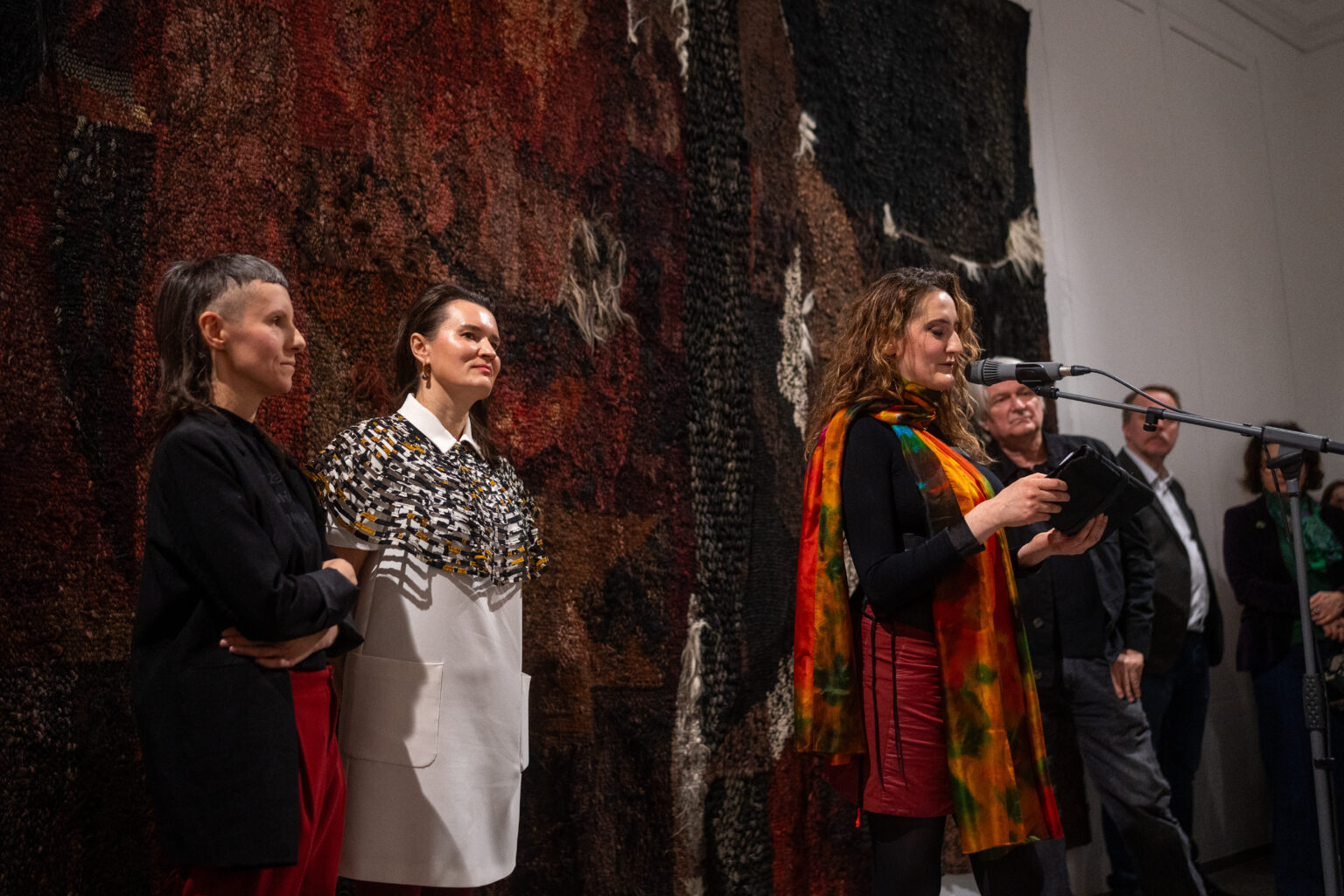
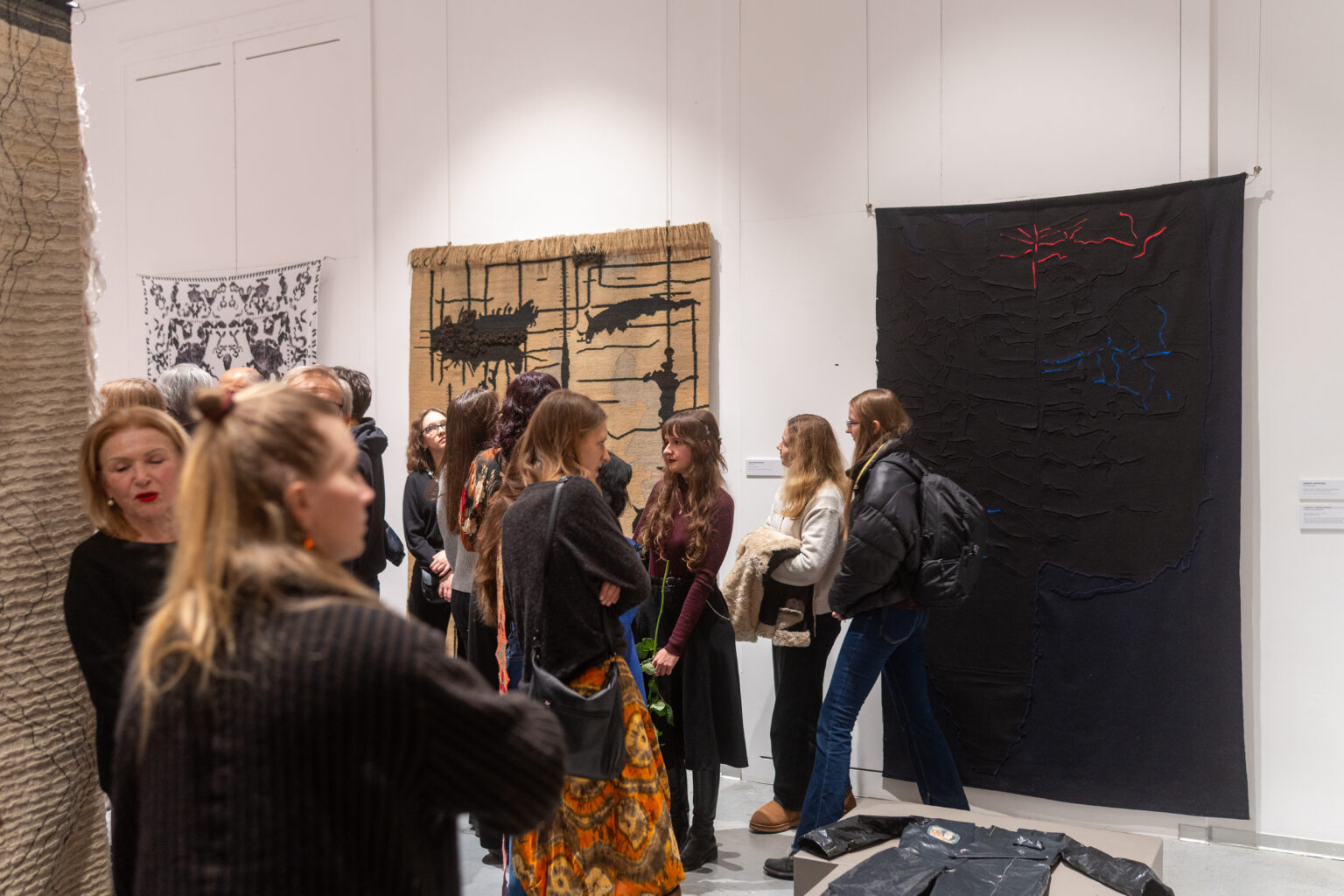
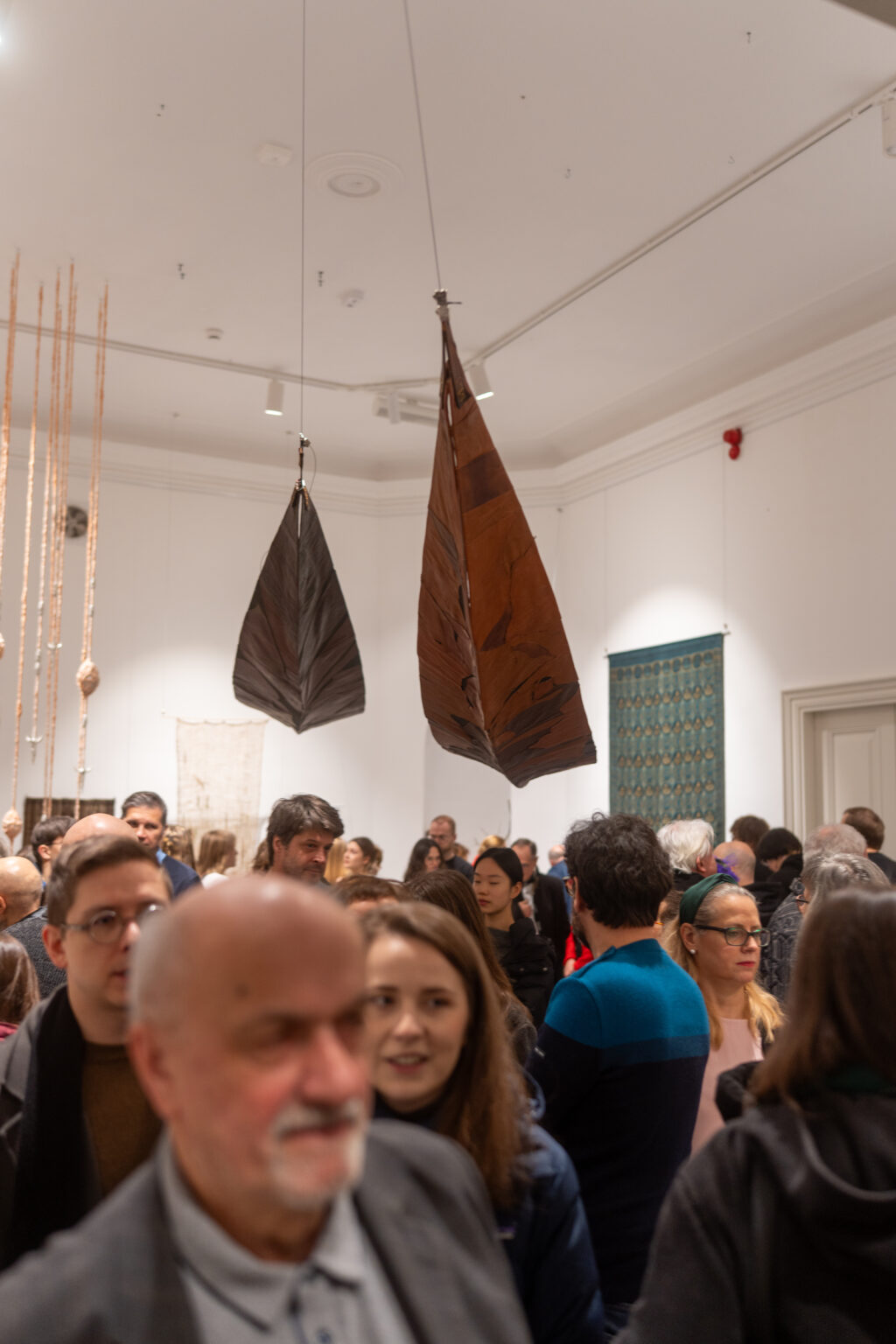
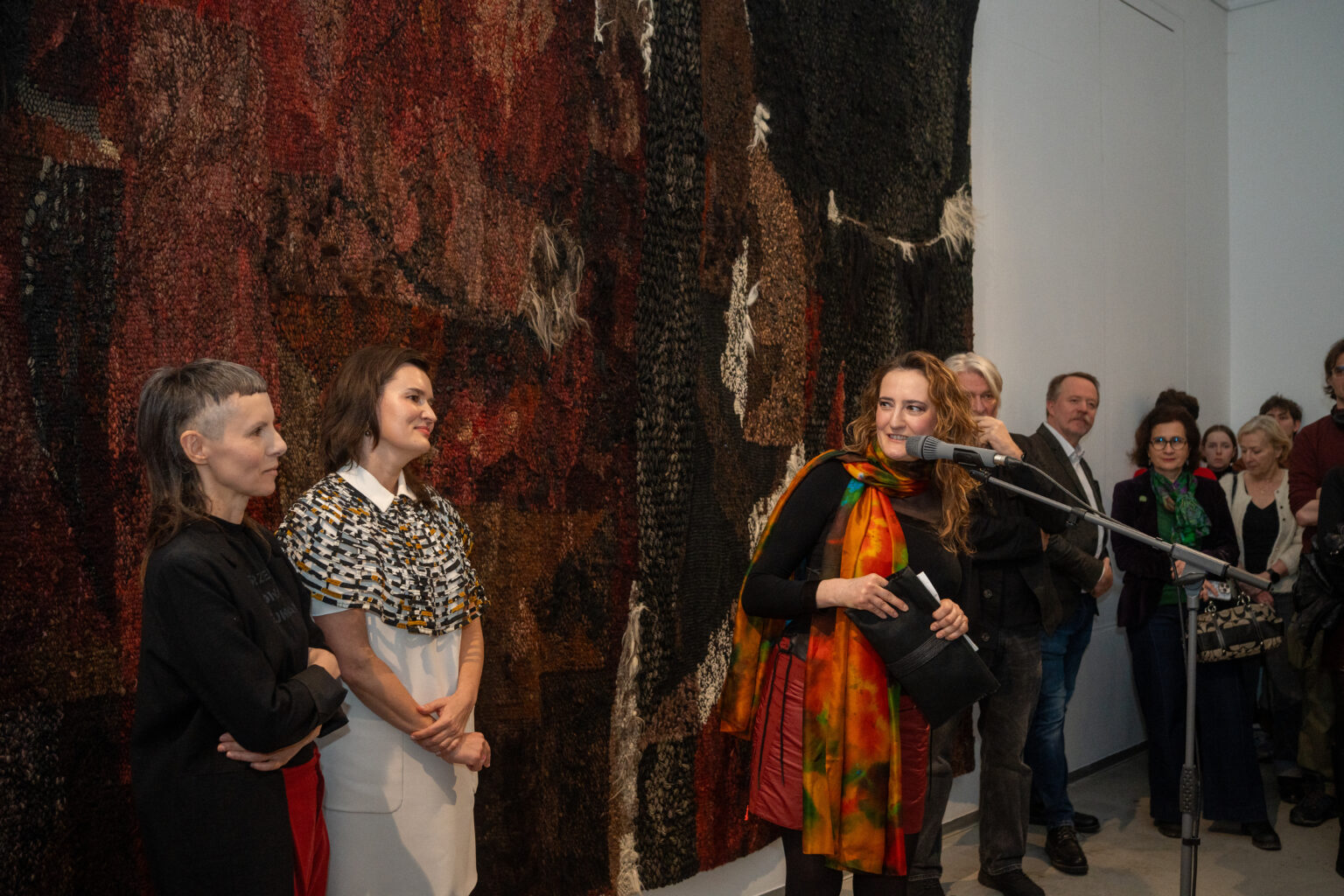
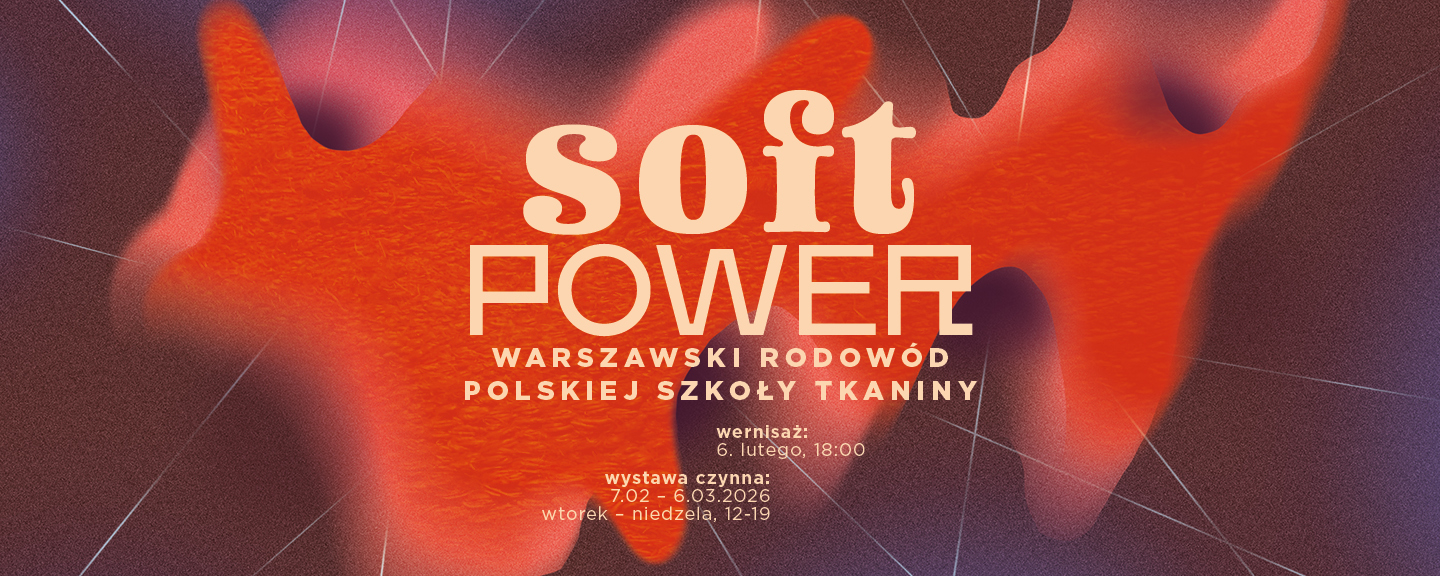
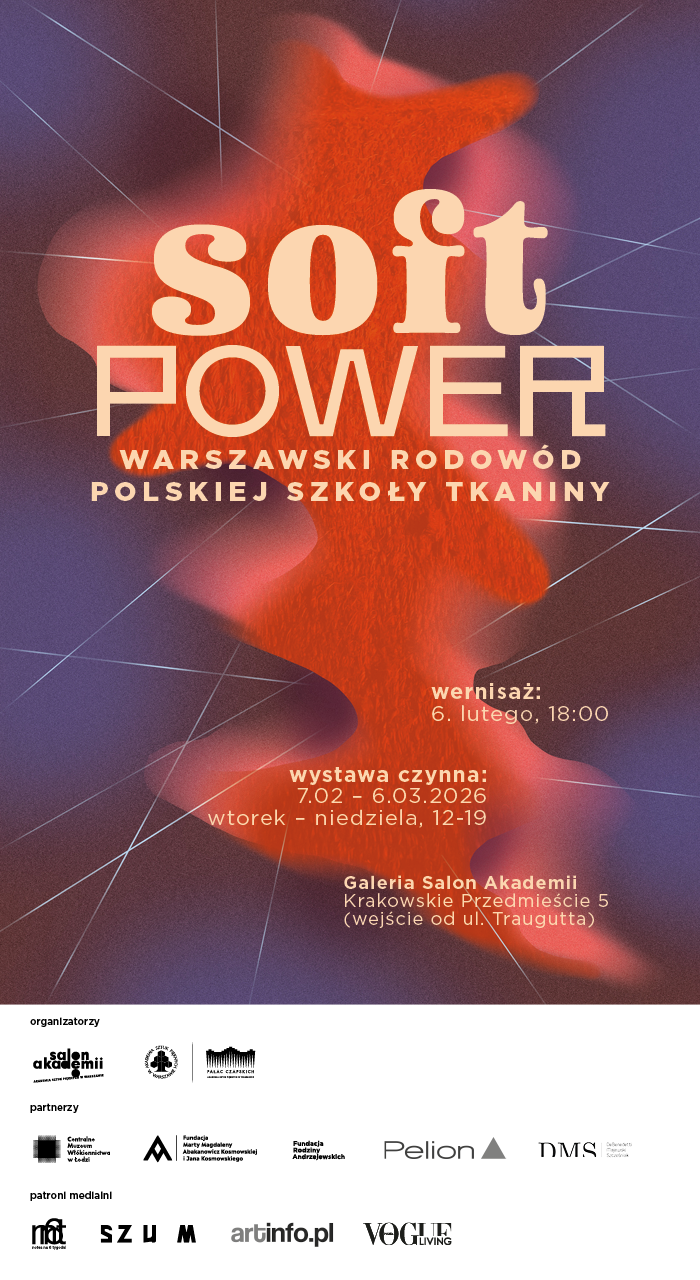
SOFT POWER
“The textile of the future was born in Poland,” proclaimed the headline of an enthusiastic article in Gazette de Lausanne in April 1963, when works by graduates of the Academy of Fine Arts in Warsaw made their debut at the International Biennale of Tapestry in Lausanne. At that moment, the attention of the art world turned toward Poland. It marked the beginning of a major revolution in shaping a new visual language. It was thanks to Polish artists that textile became such an important medium.
Never before had a movement emerged in Poland that would go on to transform global art, as happened with artistic textile in the 1960s and 1970s, when Polish artists—predominantly women—led a shift in how textile was perceived. They broke rules that had governed the art world for centuries, explored the realm of materiality, shaped a new language of form, and charted new paths of development. Most importantly, by detaching textile from its traditionally assigned function, they brought it into the realm of high art.
The exhibition recalls that the origins of this revolution lie precisely at the Academy of Fine Arts in Warsaw. We aim to evoke the figures of great professors, including Eleonora Plutyńska, as well as their graduates, among whom were Magdalena Abakanowicz, Jolanta Owidzka, and Wojciech Sadley.
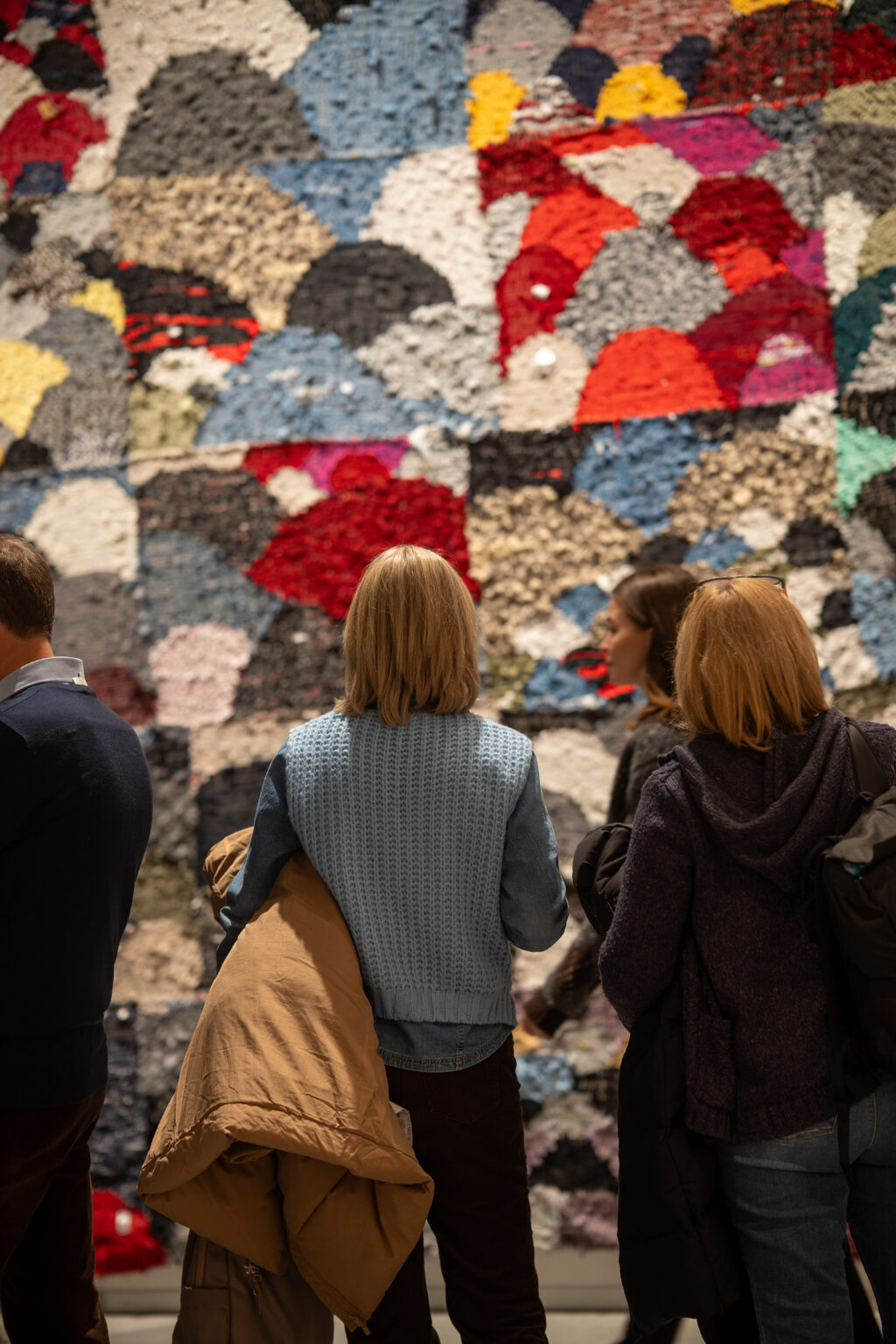
We revisit the leading figures behind the international success of the Polish School of Textile Art. By presenting the latest works of artists associated with four studios at the Warsaw Academy of Fine Arts, we pose questions about their connection to this historical lineage. The exhibition is an attempt to examine how contemporary artists reference or continue the ideas initiated over half a century ago within the walls of the Academy. Are these concepts being developed—and if so, in what ways?
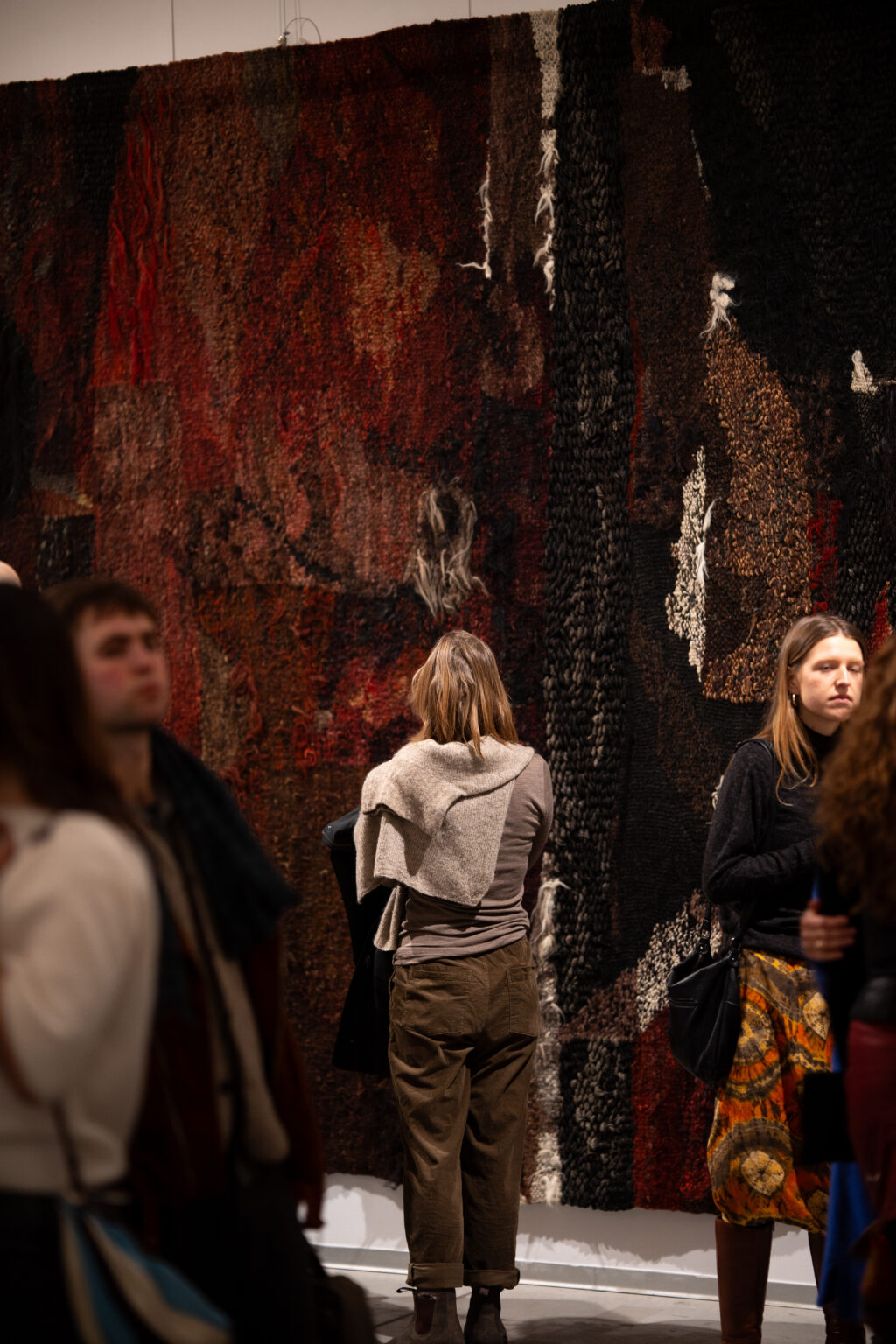
The international prominence of textile art observed today stems from its interdisciplinarity, its democratic nature, and its rich reservoir of symbolic meanings. Textile has enabled the creation of a system of communication that has become indispensable for artists in constructing complex, multilayered narratives about the present. The works presented in the exhibition build a narrative about the relationship between textile and the natural world, about a return to archetypes, and about primal connections between matter and the body. Textile, by its very nature, is tied to the organic order—it originates from plant and animal fibers, from processes of growth, transformation, and decay.
At the core of the revolution in the language of textile was the recognition of its inherent properties: structure, weight, softness, and susceptibility to time and external forces. Contemporary artists consciously turn to textile as a medium that carries within its DNA codes related to identity, corporeality, and relationality. It is a material close to the body, prone to wear and disintegration, yet deeply rooted in the spiritual realm. Textile becomes a vehicle for reflection on the processes of life and death, duration and transience, and illness, embedding artistic practices within a broader existential context. At the same time, it is one of the most political media, often employed in activist practices.
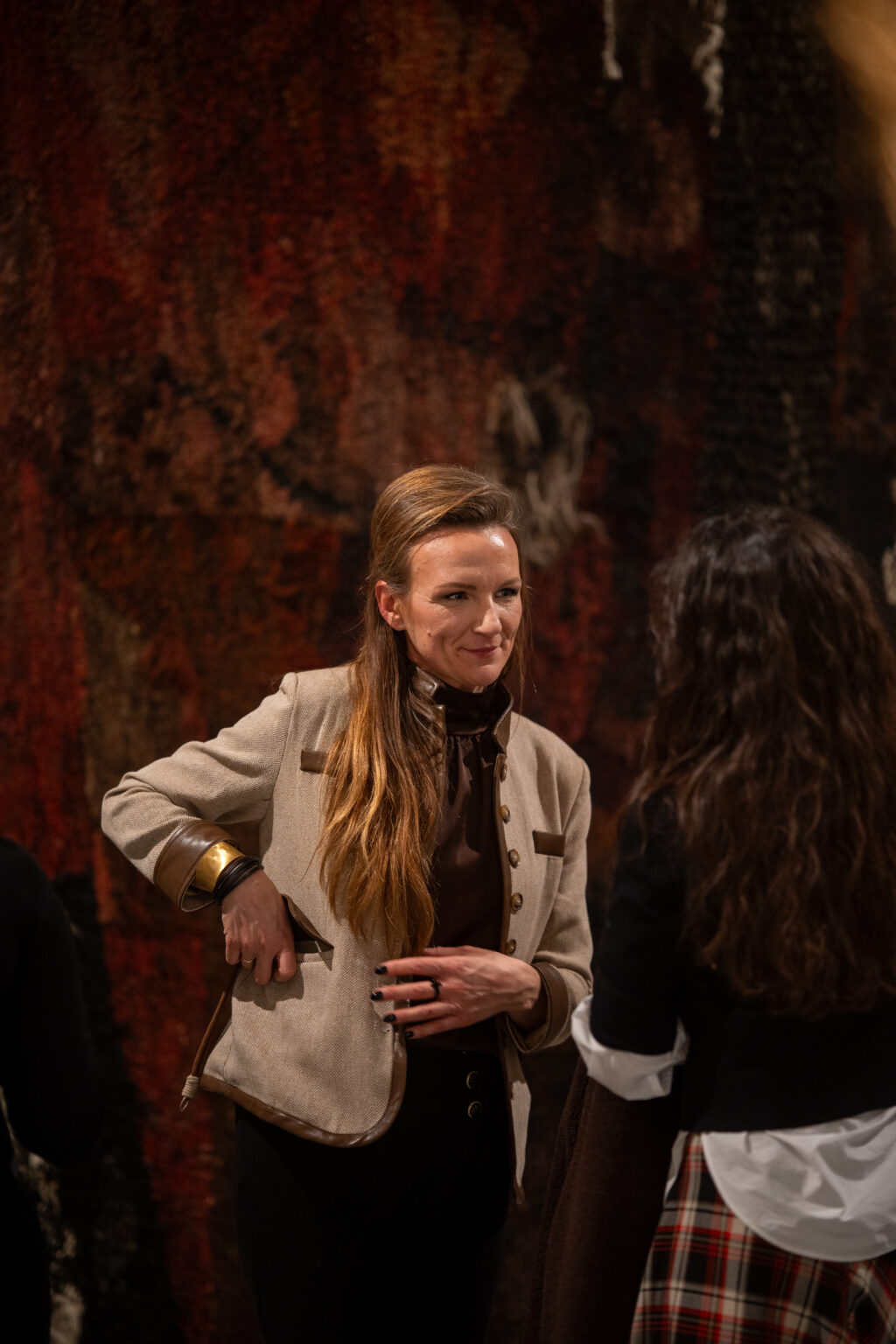
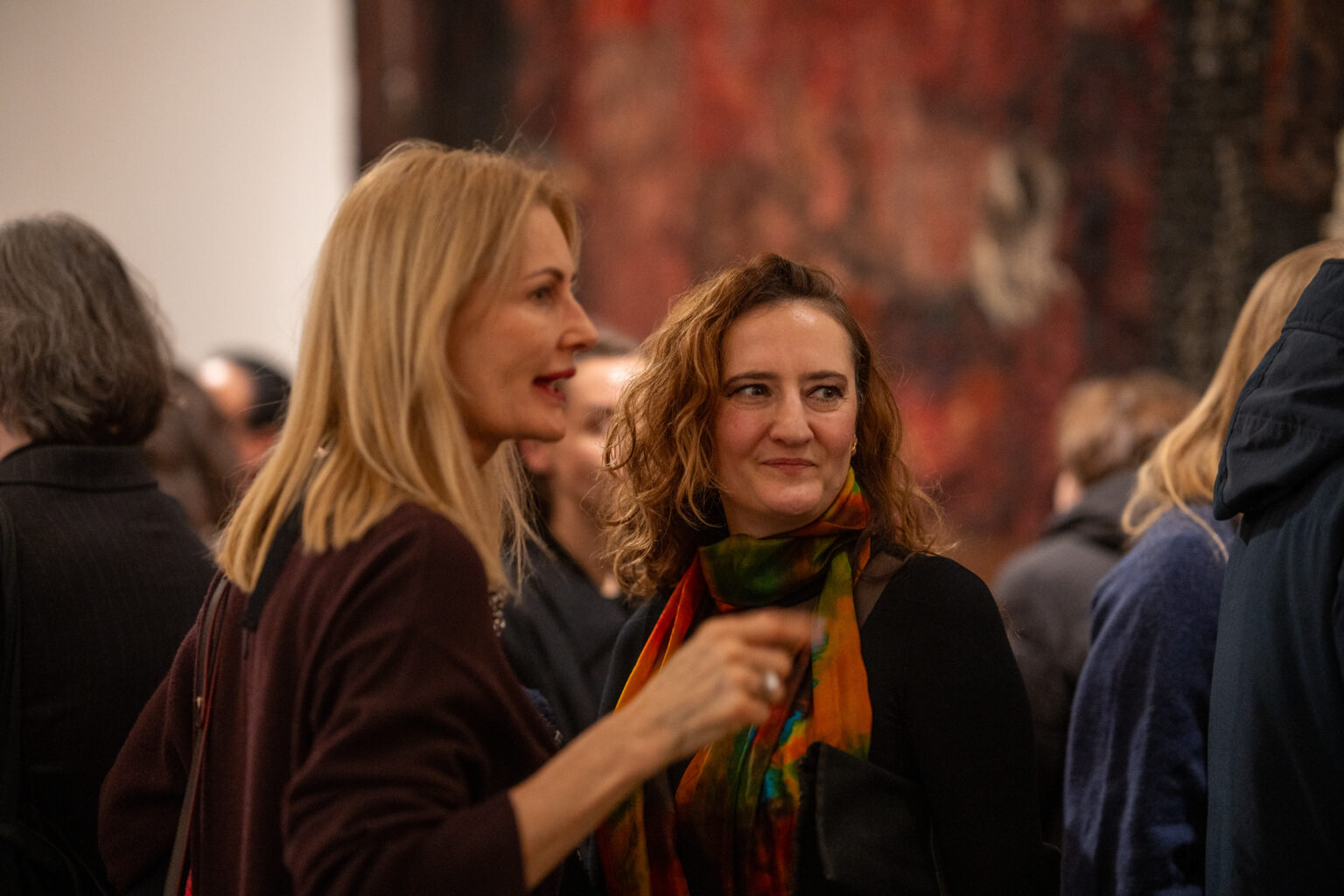
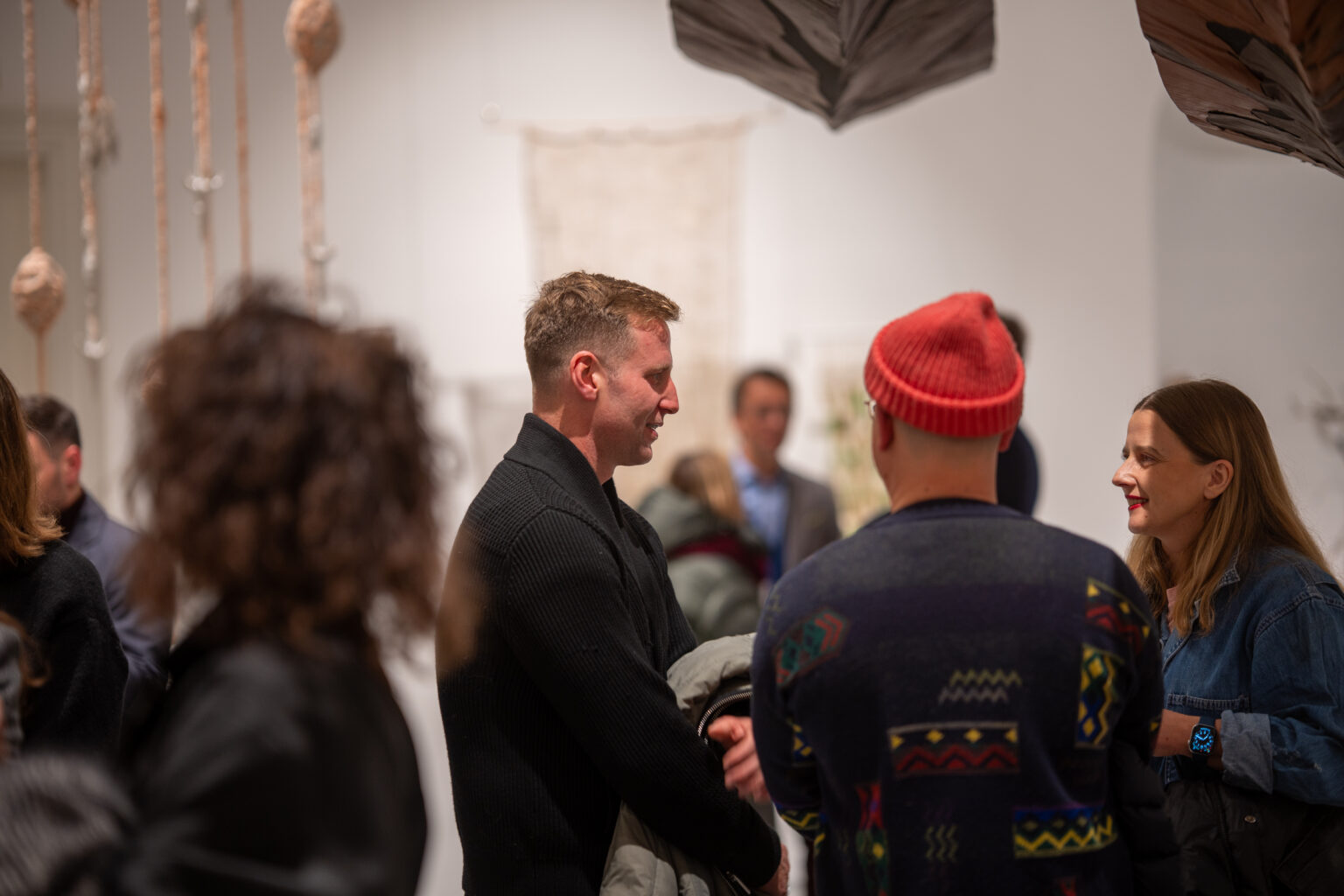
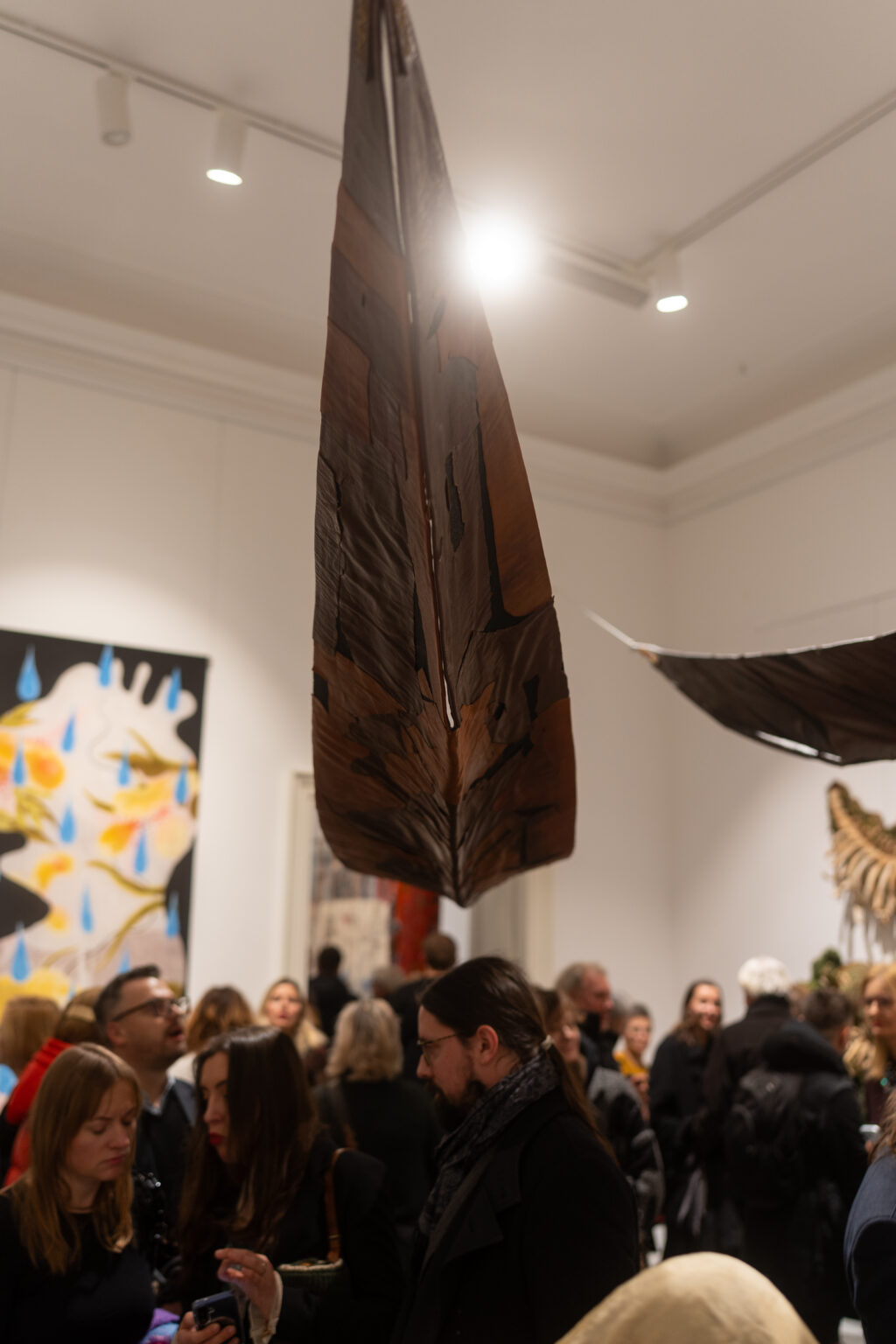
The exhibition clearly demonstrates that Warsaw remains an important center where textile continues to play a significant role in artistic practice. Textile as a medium is a true SOFT POWER in the hands of artists. It was here, at the Warsaw Academy of Fine Arts, that soft materials gained autonomy, broke free from utilitarian functions, and became a fully-fledged means of visual expression. Today, they radiate the same قوة capable of transforming our perception of reality. The exhibition, organized by the Academy of Fine Arts in Warsaw in collaboration with the Central Museum of Textiles in Łódź, will be presented in the most prestigious gallery spaces of the Czapski Palace.
Marta Kowalewska, Eliza Proszczuk, Elwira Sztetner